Key takeaways
- Intragen uses radio frequency energy. The general principle of radio frequency is controlled heating of the deeper skin to stimulate collagen.
- It works best for mild laxity and for people who want a gradual, natural change.
- Results build slowly over months, so it needs patience and, usually, more than one session.
- It does not replace lost volume, and it cannot do what a facelift does for heavy sagging.
- I decide on it only after looking at what is actually making your face look older.
What is Intragen?
Intragen is one of the radio frequency treatments we have at Dr Tvacha. I want to be careful here. Every device company describes its own technology in its own words, and I do not want to repeat claims I cannot show you in independent studies. So let me explain what radio frequency does in general, because that is the part that matters for your decision.
See, what happens is, radio frequency is a form of energy that creates heat as it passes through tissue. When the deeper layer of the skin, the dermis, is warmed in a controlled way, two things are thought to happen. The existing collagen fibres tighten a little, and the skin starts a slow repair response, laying down new collagen. The American Society for Dermatologic Surgery describes non-surgical tightening devices in exactly this way: they prompt the body to make more collagen in the deeper layers, which gradually firms skin that has lost elasticity.
That word "gradually" is very important to understand. You are not tightening skin like a drawstring. You are asking your body to rebuild, and the body takes its time.
Who is Intragen suitable for?
In my clinic, the person who does well with radio frequency is usually someone like this: - In their late 30s to 50s, with early softening along the jawline or cheeks - Skin that has started to feel less firm, or looks crepey in places - Wants a natural change, the "rested, not different" result - Accepts that the improvement is subtle and takes months
It is less suitable for: - Heavy sagging, a deep fold of skin at the jaw or a loose neck with excess skin. Here a surgical opinion may be more honest. - Hollowness from lost fat or bone. Heat cannot replace volume. - Pregnancy, a pacemaker or other implanted electronic device, or certain metal implants in the area. Tell us about these. - Active skin infection or an open wound on the face.
What results can I realistically expect?
Here is how I explain it, side by side with other approaches.
| Concern | Radio frequency (such as Intragen) | What may suit better |
|---|---|---|
| Early softening of the jawline | Reasonable option, gradual change | Sometimes combined with support from fillers |
| Crepey, less firm skin | Reasonable option | Retinoids and sunscreen alongside |
| Fine lines from movement | Limited effect | Anti-wrinkle injections (botulinum toxin) |
| Hollow cheeks or under-eyes | Little effect | Volume replacement, if appropriate |
| Heavy sagging and loose neck skin | Little effect | Surgical opinion |
The Mayo Clinic notes that lasers improve wrinkles and texture but do not tighten sagging skin, and that a surgical lift tightens the deeper tissues of the jawline and neck but does not correct fine wrinkles. Every tool has its job. Radio frequency sits in between: some firming, not a lift.
What happens during the treatment?
Normally, a session looks like this: 1. We clean the skin and mark the areas to treat. 2. The treatment is delivered in passes over the area. Most people feel warmth, sometimes quite hot, and we adjust settings to what you can comfortably tolerate. 3. The skin looks pink afterwards, sometimes slightly swollen, for a short while.
Side effects with radio frequency treatments in general are usually short-lived: redness, swelling, tenderness. Less commonly there can be blisters, burns, or changes in skin colour, which is why settings and technique matter in Indian skin. Report anything unusual, such as a blister or a patch that stays dark, rather than waiting.
How many sessions do I need?
There is no single number. It depends on your skin, the area and the settings. I prefer to plan a short course, take standardised photographs, and review after some months, because collagen remodelling is slow. If you see no meaningful change after a fair trial, I would rather tell you to stop than keep going.
Then comes maintenance. Your skin keeps ageing whatever we do. Basically, the plan is small steps repeated over years, not one big push.
How does Intragen fit into a long-term plan?
This is where I bring in the chess habit. I was taught the endgame first. So before choosing any device, I ask: where do you want your face to be in five years?
A typical plan might be: - Protect: daily sunscreen, and a retinoid at night if your skin tolerates it (an evidence-based anti-ageing routine) - Restore: radio frequency for firmness, and only if needed, small amounts of support elsewhere - Maintain: review once or twice a year, adjust, and sometimes do nothing
If you are trying to decide between energy treatments, our pages on radio frequency skin tightening and HIFU vs radio frequency go deeper.
How we approach this at Dr Tvacha
Intragen is available at our centres in Thane, Andheri, Bandra and Dahisar as part of the Long Game Anti-ageing Plan. It begins with a face assessment, then a written plan with the treatment, number of sessions and fees before you pay anything. If radio frequency will not give you the change you are hoping for, I will tell you plainly and suggest what might, including waiting.
Frequently asked questions
Is Intragen the same as HIFU?
No. Intragen is radio frequency based, while HIFU uses focused ultrasound energy. Both aim to heat tissue below the surface and stimulate collagen, but they deliver energy differently and reach different depths. Which one suits you depends on your skin, the degree of laxity and the area. I decide this after examining your face, and sometimes neither is the right first step.
When will I see results from radio frequency treatment?
Some people notice slight firmness soon after treatment, partly from swelling. The real change, from new collagen, builds slowly over the following months. That is why I review with photographs rather than the mirror the next morning. Results vary from person to person, and they need maintenance because the skin continues to age.
Is radio frequency safe for Indian skin?
Radio frequency is generally considered less likely than some lasers to cause pigment problems, because it does not target pigment. It is still heat, though, so burns, blisters or dark patches can happen if settings or technique are wrong. In brown skin I start conservatively, avoid treating tanned or irritated skin, and give clear aftercare instructions including daily sunscreen.
Can Intragen be combined with other treatments?
Often, yes, but timing and order matter. Radio frequency, anti-wrinkle injections and fillers each do a different job, and some combinations need gaps between sessions. I would rather plan the sequence in writing on day one than add things one by one. Many people need fewer treatments than they expect once we decide the end goal first.
Will I need surgery later anyway?
Possibly, and that is not a failure. Non-surgical treatments help early and mild changes, and can delay the point at which someone wants surgery, but they cannot match a surgical lift for heavy sagging. If I think surgery is the honest answer for you, I will say so and you can take that opinion to a qualified surgeon.
Written by
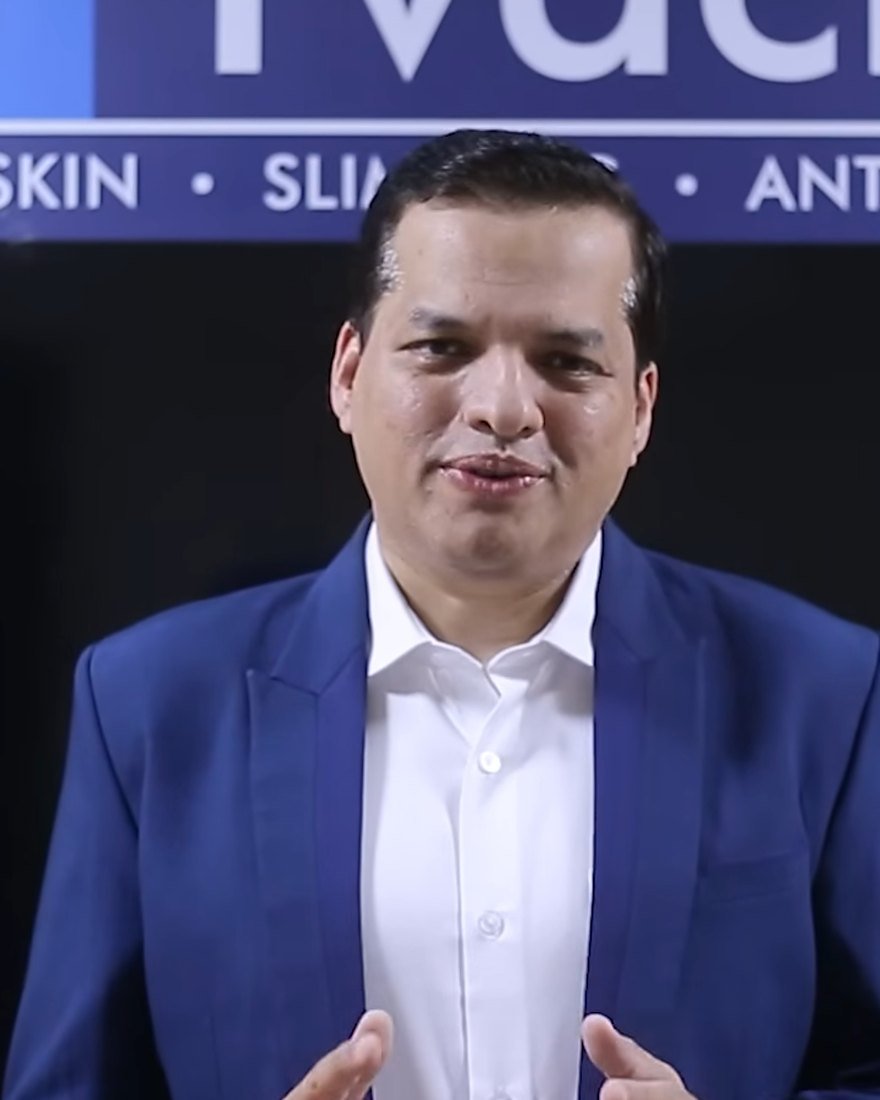
Dr Amit KarkhanisAesthetic Physician · MBBS, Dip. Dermatology (UK) · Reg. No. 2001/02/1124Founder of Dr Tvacha, practising in Thane since 2005. Leads the weight loss and hair programmes.
Sources
- Skin tightening (American Society for Dermatologic Surgery)
- Wrinkles: diagnosis and treatment (Mayo Clinic)
- Laser resurfacing (Mayo Clinic)
- Aesthetic implications of GLP-1 agonists (Dermatology Times)
This article is for general education and does not replace a consultation. Medicines and treatments are prescribed only after a doctor's assessment. Last reviewed 25 October 2026.