
Key takeaways
- The NMC guidelines cover websites, Google profiles, social media, WhatsApp, videos and AI-generated content, not only print ads.
- Before-and-after photos, testimonials and success stories cannot be used for promotion. Patient consent does not make them acceptable.
- Claims such as "best", "No. 1", "guaranteed" or "100% success" are not allowed, and fees may be stated only factually.
- Every electronic post must show the doctor's name, qualifications, registration status and registration number.
- A photo of someone else's result tells you very little about your own. A diagnosis tells you much more.
What are the NMC's new advertising guidelines?
On 6 October 2026, the National Medical Commission, through its Ethics and Medical Registration Board, issued a public notice titled Guidelines on Ethical Advertising and Public Communication. They took effect immediately.
They apply to registered medical practitioners like me, to hospitals and medical institutions, and to anyone communicating on their behalf, such as an agency or social media manager. They work alongside the existing professional conduct regulations and the NMC Act, 2019.
The guidelines define advertising broadly. Any communication that directly or indirectly promotes a doctor or clinic, or solicits patients, is covered. That includes:
- Websites and Google business profiles
- Instagram, Facebook, YouTube and other social media
- WhatsApp messages and broadcasts
- Podcasts, sponsored posts and influencer content
- Material generated or assisted by AI
Information shared in the normal course of treating a patient, without a promotional purpose, is treated differently.
What do the guidelines allow and forbid?
Here is a plain summary, based on the notice and published explanations of it.
| Allowed | Not allowed for promotion |
|---|---|
| Evidence-based health education, like this article | Before-and-after photos and videos |
| Factual announcements: a new centre, a change of address, timings | Patient testimonials, success stories and endorsements |
| Factual statement of fees and packages | Discounts, coupons, festival or time-limited offers used as inducements |
| Factual mention of equipment, without claims of superiority | Superlatives such as "best" or "No. 1", unless objectively verifiable |
| Doctor details: qualifications, registration, availability | Guarantees, "100% success", "guaranteed cure" claims |
| Public health talks in the doctor's own name | Fake, paid or manipulated reviews |
| Doctors endorsing medicines, devices or commercial products | |
| AI used to fake images, voices, outcomes or testimonials |
Two points are worth underlining.
Consent is not a loophole. Published explanations of the notice are clear that patient consent alone does not make a prohibited practice acceptable. A clinic cannot simply collect signed forms and carry on posting before-and-after pictures. Use of patient images and details for scientific or educational purposes is treated separately and needs proper, documented consent and anonymisation.
Disclosure is required. Electronic posts by a doctor must show the doctor's name, qualifications, registration status and State Medical Council or National Medical Register number. Posts by a clinic must name the doctors involved, with the same details. That is why we name our doctors with their registration numbers: I am Dr Amit Karkhanis, Reg. No. 2001/02/1124, and my colleague is Dr Anagha Karkhanis, Reg. No. 2006/02/1187.
Are there other laws involved?
Yes. The Drugs and Magic Remedies (Objectionable Advertisements) Act, 1954 has long restricted advertising of medicines and remedies for a list of diseases and conditions. That schedule includes obesity, among others. This is one reason we do not advertise weight loss medicines or name drug brands. When I talk about GLP-1 medicines such as semaglutide or tirzepatide, it is as education, and always as a prescription decision made after assessment.
India's Telemedicine Practice Guidelines, 2020 also require doctors to display their registration number on prescriptions, websites and electronic communications such as WhatsApp.
Breaking the NMC guidelines can lead to action by the State Medical Council after a show-cause notice. Published summaries describe graded penalties that range from a warning and ethics training up to suspension or removal from the register for repeated or serious violations.
Why do I agree with these rules?
I could treat the guidelines as a box to tick. I would rather explain why I think they are right. Anything too commercial has never sat well with me anyway.
A before-and-after photo shows one person, on one day, in one light. It does not show how many people had a different outcome, what else changed in their life, or how long the result lasted. It cannot tell you what will happen to you.
Your situation is specific. In hair, what I tell people is: "If you're born with hair which is thin, it cannot change. If you have lost hair in the last three, four years, that can come back." Two people with similar photos can sit on opposite sides of that line. A picture cannot tell them apart. A diagnosis can. That is very important to understand.
Doses differ. In weight care, general protocols suit most people, but the dose is the skill. Someone else's number on a scale says nothing about the dose, timeline or side effects that would suit you.
Pressure is the enemy of good decisions. Testimonials, countdown offers and dramatic transformations push people to decide quickly. I work the other way: a diagnosis first, fees in writing, and time to think.
What do we show you instead?
Instead of other people's results, I try to give you what you need to make your own decision:
- Plain explanations of how a treatment works and who it suits, with sources you can check.
- Written fees for each option, after diagnosis and before you pay. See why every programme starts with a diagnosis and a written fee.
- Fixed review dates from day one, so you can see your own progress with your doctor.
- A plan for the end, so you know what maintenance looks like.
- Named doctors, with qualifications and registration numbers, so you know exactly who is responsible for your care.
How we approach this at Dr Tvacha
If you want to know what a treatment could do for you, the honest answer comes from a diagnosis, not a gallery. Book a hair diagnosis at one of our four centres, an online weight eligibility consult, or a Midlife Women's Health Check under women's health. For what the day itself looks like, read what happens at your first consultation.
Frequently asked questions
Are before-and-after photos banned for doctors in India?
Under the NMC Guidelines on Ethical Advertising and Public Communication issued on 6 October 2026, doctors and clinics may not use before-and-after photos to promote themselves. Published summaries note an exception for strictly scientific or educational use with proper, anonymised consent. Patient consent alone does not make promotional use acceptable, so we do not use them.
Can doctors in India share patient testimonials?
No, not for promotion. The October 2026 NMC guidelines bar testimonials, success stories and endorsements from patients, celebrities, influencers or employees in medical advertising. This applies on websites, social media, Google posts and WhatsApp. Fake, paid or manipulated reviews are also prohibited. You will not find testimonials on our website.
Can a clinic advertise its fees under the NMC guidelines?
Yes, factually. Doctors and clinics may state their fees and packages clearly. What they cannot do is use pricing as an inducement, for example discounts, coupons, cashback or festival offers likely to encourage unnecessary consultations, tests or treatment. I state our fees plainly and give them in writing after diagnosis.
Why do you show your doctors' registration numbers?
The NMC guidelines require electronic posts by doctors to show the doctor's name, qualifications, registration status and registration number. India's Telemedicine Practice Guidelines 2020 also require registration numbers on websites and electronic communications. Showing them lets you verify exactly who is giving you medical information. Mine is 2001/02/1124.
How can I judge a clinic without before-and-after photos?
Look for things you can verify: the doctor's name, qualifications and registration number, a clear diagnosis before treatment, fees in writing before you pay, fixed review dates and a plan for what happens when treatment ends. Ask what the treatment cannot do for you. A clear, honest answer to that question tells you a great deal.
Written by
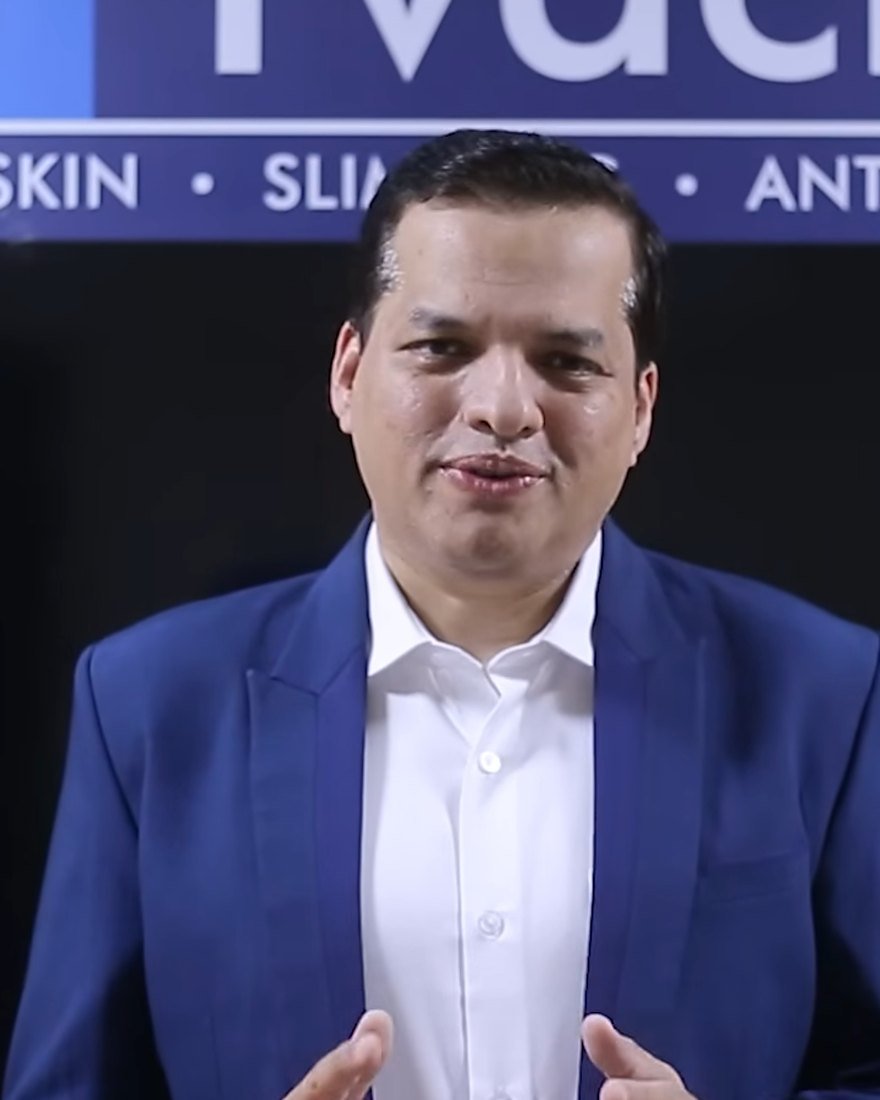
Dr Amit KarkhanisAesthetic Physician · MBBS, Dip. Dermatology (UK) · Reg. No. 2001/02/1124Founder of Dr Tvacha, practising in Thane since 2005. Leads the weight loss and hair programmes.
Sources
- NMC public notice: Guidelines on Ethical Advertising and Public Communication (6 October 2026)
- NMC Ethical Advertising Guidelines 2026: what hospitals and doctors can and cannot do (Medvyn)
- NMC Guidelines on Ethical Advertising 2026 for doctors and hospitals (HealthUs)
- NMC's new advertising guidelines for doctors (Oct 2026): what changed (NexaFlow)
- The Drugs and Magic Remedies (Objectionable Advertisement) Act, 1954 (India Code)
- Telemedicine Practice Guidelines, 2020 (Ministry of Health and Family Welfare)
This article is for general education and does not replace a consultation. Medicines and treatments are prescribed only after a doctor's assessment. Last reviewed 25 October 2026.