
Key takeaways
- Ask for the doctor's name and medical council registration number, and check it.
- A proper assessment, sometimes ending in "this is not for you", should come before any medicine.
- Get the total cost in writing, including medicine at each dose and maintenance.
- Know exactly whom to contact for side effects, and how fast they respond.
- The plan for stopping should exist before you start.
Questions about the doctor and the assessment
People spend more time comparing two phones than two weight programmes. I understand why: the phone has a spec sheet. So here is a spec sheet for a programme. Ask these twelve questions, of anyone, including me.
1. Who is the doctor, and can I verify their registration?
India's Telemedicine Practice Guidelines (2020) require doctors to state their name and qualifications and to display their registration number on prescriptions, websites and messages. You can check registration through the National Medical Commission's Indian Medical Register or your state medical council. Also ask whether you will actually see the prescribing doctor, or only a coach or sales executive.
2. What happens at the first assessment?
Expect a full history: your weight over the years, health conditions, medicines, family history (especially thyroid cancer), past pancreatitis or gallbladder problems, pregnancy plans and eating patterns. The US NIDDK suggests asking who monitors your safety and whether the programme will coordinate with your own doctor.
3. Which tests do I need, and why?
A focused set of blood tests usually comes first: blood sugar, kidney and liver function, thyroid, lipids, and often iron, B12 and vitamin D. Ask why each test is needed and whether you can use a lab near home. If the answer is a 70-test package "just to be safe", ask again. See which tests you need before starting weight loss medicine.
Questions about the treatment itself
4. Am I actually a candidate for medicine?
Medicine is not for everyone with extra weight. The NIDDK notes it may be considered for adults with a BMI of 30 or more, or 27 or more with a weight-related condition. Indian cut-offs are lower because health risks appear at lower weights in Asian Indians; see who is eligible for medical weight loss in India. A good clinic will tell you if lifestyle changes alone are the better route, even if that means you do not sign up.
5. Which medicine, and how will the dose change?
Ask which medicine is proposed (by its generic name, such as semaglutide or tirzepatide), how the dose will be increased, and who decides each step. In India, these medicines are prescription-only and approved for use under medical supervision. You should receive a signed prescription.
6. What about protein, strength training and food?
Medicine works best alongside eating and activity changes; the NIDDK says it is not a replacement for them. Ask how the programme helps you protect muscle, what protein target you should aim for, and whether the plan works for a vegetarian, Jain or eggetarian kitchen and your work hours. See why strength training matters during medical weight loss.
Questions about safety and support
7. What side effects should I expect, and whom do I contact?
Nausea, constipation, diarrhoea and tiredness are common, especially as doses rise. Ask which symptoms need urgent care (for example severe stomach pain spreading to the back, or yellowing of the eyes), and the exact channel and response time for questions between reviews.
8. How often will I be reviewed, and by whom?
Ask whether review dates are fixed in advance, how often they happen, and whether the doctor or someone else conducts them. The NIDDK lists regular feedback and qualified professionals among the signs of a safe programme.
9. Where does the medicine come from?
Ask whether medicine is supplied through a licensed pharmacy and how injectable pens are stored and shipped. The US FDA has warned about counterfeit products and advises not using injectables that arrive warm. In Mumbai's summer heat or during long deliveries, the cold chain matters.
Questions about cost and the long term
10. What is the total cost, from start to finish?
The NIDDK advises asking for the full cost, not the starting price, including tests, visits, counselling, supplements and maintenance. Ask whether medicine is included and whether the price changes as the dose increases. Get it in writing. See what medical weight loss costs in India.
11. What is the plan for stopping or maintaining?
Weight tends to return after stopping medicine without a plan; the NIDDK says you will probably regain some weight. Ask whether there is a written taper and maintenance plan, when it starts and what support continues afterwards. Personally, this is the question I would ask first. See keeping weight off in the first year.
12. What will you do if the treatment is not working or does not suit me?
A responsible programme has a clear point at which it reviews or stops treatment. The NIDDK notes that if you have not lost at least 5% of your starting weight after 12 weeks on the full dose, you will likely be advised to stop. Ask what happens to the fee in that case.
What are the red flags?
Walk away, or at least pause, if you notice any of these:
| Red flag | Why it matters |
|---|---|
| Medicine offered before any consultation or tests | No one has checked whether it is safe for you |
| No doctor's name or registration number | You cannot verify who is prescribing |
| Promises of a fixed number of kilos, or "without diet or exercise" | The NIDDK lists extreme promises as a red flag |
| Before-and-after photos and testimonials as the main evidence | These are selected stories, not evidence |
| Pressure to pay today, countdown offers | Medical decisions should not be rushed |
| No plan for maintenance | Regain is likely without one |
| Vague answers on total cost | Hidden charges are common |
That is very important to understand: a good programme is comfortable being questioned. If your questions are met with pressure, that tells you something.
How I approach this at Dr Tvacha
Please ask me all twelve of these questions. I would rather you did. In the Endgame Weight Programme, I (Dr Amit Karkhanis, Aesthetic Physician, Reg. No. 2001/02/1124) conduct the Rs 499 eligibility video consult and every monthly review myself. You get the fees in writing before you pay, we fix review dates on day one, WhatsApp support is available between reviews, and I share a written taper and maintenance plan from month one. I offer options, and the decision stays with you. Details are on the weight loss page.
Frequently asked questions
How do I know if a weight loss doctor is qualified?
Ask for the doctor's full name, qualifications and medical council registration number. Under India's Telemedicine Practice Guidelines, these must be displayed on prescriptions, websites and messages. You can verify registration through the National Medical Commission's Indian Medical Register or the relevant state medical council. Be cautious if you never speak to the prescribing doctor directly.
Is an online weight loss programme as good as an in-person one?
It can be, if it follows the same standards: identity verification, a full history, appropriate blood tests, a signed prescription, regular reviews and clear side-effect support. Online care saves travel and suits people across India. If you need a physical examination, a responsible online doctor, and I include myself, will ask you to see someone in person before prescribing.
What should a weight loss programme include?
At the minimum: a medical assessment, relevant blood tests, a clear decision on whether medicine suits you, a written plan for doses, protein and strength training, regular reviews with a qualified doctor, a quick way to report side effects, transparent total costs and a written plan for maintenance or stopping. If several of these are missing, be cautious.
Should I be worried if a programme guarantees results?
Yes. Weight loss varies widely between people, even on the same medicine and dose. I cannot predict your exact number, and nobody else can either. The US NIDDK lists extreme promises, such as large losses in a short time or weight loss without diet or exercise, as red flags. A responsible programme explains realistic ranges instead.
Can I ask for fees in writing before starting?
Yes, and you should. A written quote should state the consultation fee, programme fee, whether medicine is included, how costs change as doses increase, which tests are needed and what the maintenance phase costs. That avoids surprises and lets you compare programmes fairly before you commit to anything.
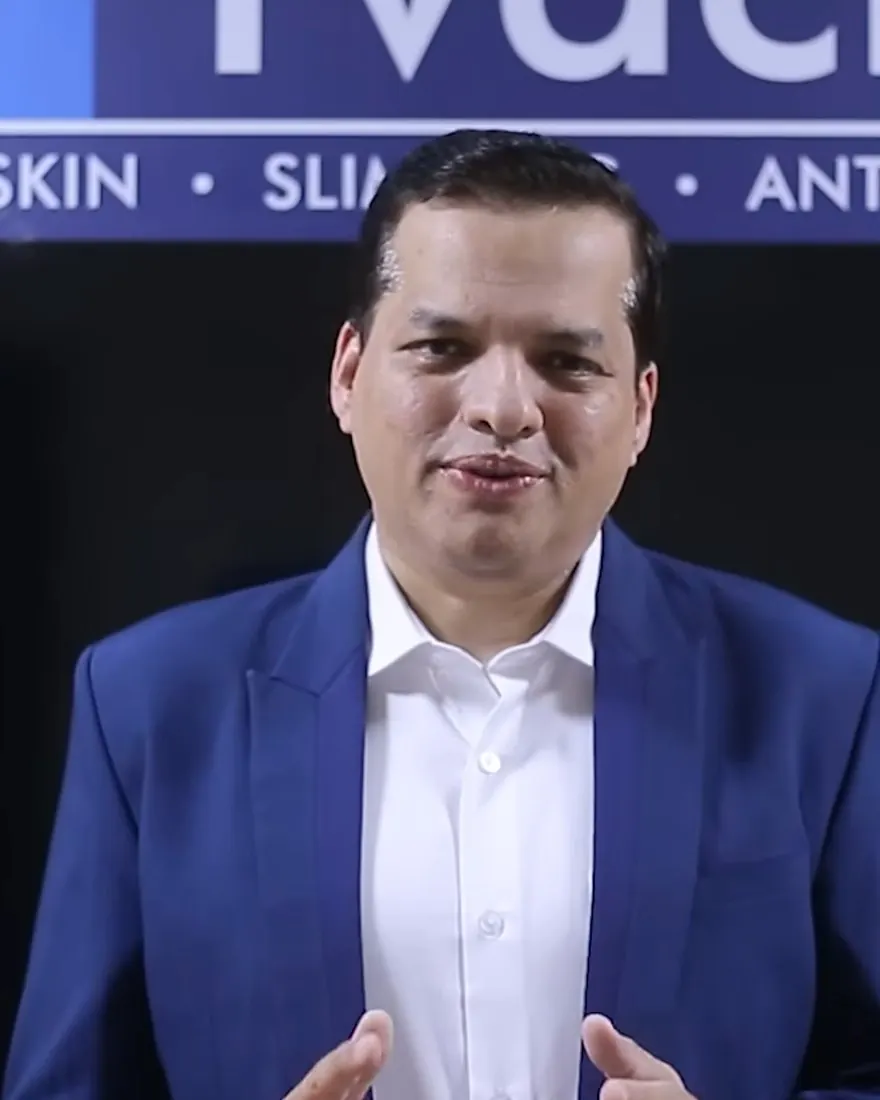
Written by
Dr Amit KarkhanisAesthetic Physician · MBBS, Dip. Dermatology (UK) · Reg. No. 2001/02/1124Founder of Dr Tvacha, practising in Thane since 2005. Leads the weight loss and hair programmes.
Sources
- Choosing a safe and successful weight-loss program (US NIDDK)
- Prescription medications to treat overweight and obesity (US NIDDK)
- Telemedicine Guidelines, 2020 FAQ (PSA Legal)
- FDA's concerns with unapproved GLP-1 drugs used for weight loss (US FDA)
- CDSCO has approved 3 drugs for weight management, government tells Rajya Sabha (ETV Bharat)
This article is for general education and does not replace a consultation. Medicines and treatments are prescribed only after a doctor's assessment. Last reviewed 25 October 2026.