
Key takeaways
- Many chess teachers start with endings, because simple positions show clearly what each piece can do.
- I apply that order to treatment: result and maintenance first, the course of treatment second, the first prescription last.
- In weight care this means a written taper and maintenance plan from month one, not after the medicine stops.
- In hair care it means an honest diagnosis of what can come back and what cannot, before any course or surgery is discussed.
- The method does not promise a result. It makes the plan, the cost and the exit clear before you start.
How did chess shape my thinking?
I began playing chess at three and a half. As a child I played at the national level. My coaches followed a particular order. They taught me the endgame first, then the middle game, and only then the opening.
For a small child that can feel backwards. Most beginners want to learn clever opening moves. But my coaches had a reason, and the habit stayed with me. Today, when I plan treatment for someone sitting in front of me in Thane or Andheri, or on a video call from another city, I still start at the end of the board.
Why do chess coaches teach the endgame first?
This is not an unusual idea in chess. José Raúl Capablanca, a former world champion, opened his classic book Chess Fundamentals with a chapter titled "First Principles: Endings, Middle-game and Openings", in that order. The book begins with simple mates, because, as he wrote, the first thing a student should do is understand the power of the pieces.
See, what happens is, in an ending there are only a few pieces on the board. Every move has a visible effect. You cannot hide a weak move behind complications. Once you know what a won position looks like, the earlier stages of the game make more sense, because you know what you are steering towards.
That is the part I carried into medicine. In chess you win if you checkmate the person, so it's about results. If you do not know what the finish looks like, you cannot judge whether today's move is a good one.
What does an endgame-first treatment plan look like?
Most treatment plans are written from the front: here is the first injection, the first session, the first month. I write mine from the back.
| Chess stage | The question it asks in treatment | What you get in writing |
|---|---|---|
| Endgame | What is a realistic, lasting result for you, and how will you keep it? | A maintenance plan, and for weight care a taper plan, from the start |
| Middle game | What course gets you there, and how will we check progress? | Review dates fixed on day one |
| Opening | What is actually going on, and what is the first sensible step? | A diagnosis, the options, and the fee for each before you pay |
Notice the last row. In practice the opening still happens first: I diagnose you before anything else. But I use the diagnosis to answer the endgame question, not to sell you the first step.
How does this work in weight loss?
I named The Endgame Weight Programme for this idea. It runs online across India, with a Rs 499 eligibility consult by video, monthly reviews with me and WhatsApp support. The fee is Rs 30,000 a month or Rs 1,00,000 for four months, medicine included.
The endgame part is simple. From month one, you receive a written taper and maintenance plan. You know from the beginning how the medicine will be reduced and what keeps the result afterwards. Normally people start weight medicines and only ask "what happens when I stop?" months later. I answer that question first.
In my view three things carry the result. It's a triad, actually:
- Dose. General protocols suit most people, but adjusting for the individual is where the skill lies. The dose is the skill.
- Protein. Enough of it, from foods you will actually eat: dal, paneer, curd, eggs, chana, soya, sprouts.
- Strength training. To protect muscle while weight comes down.
The right supplements sit alongside the Triad where needed. Any GLP-1 medicine, such as semaglutide or tirzepatide, is a prescription decision I make after assessment, not a default. You can read more in how online weight loss consults work and on the weight loss page.
How does this work in hair?
In hair, the endgame question is: what can realistically come back, and what cannot? I tell people this directly. "If you're born with hair which is thin, it cannot change. If you have lost hair in the last three to five years, that can come back."
That one sentence sets the finish line before any treatment is chosen. Hair lost after an illness, for example after COVID, often responds well. Hair that was always thin is a different conversation.
It also explains my view on transplants. A transplant without saving the existing hair is a bad idea, because the hair around the grafts can keep thinning. So the plan starts with protecting what you have. Under The 5-Year Time Machine Hair Plan, the first step is a Rs 499 hair diagnosis. If a four-month course suits you, it is Rs 40,000, Rs 64,000 or Rs 80,000 with medicines, depending on the diagnosis. If a transplant is appropriate, it is quoted in writing with a named qualified surgeon. More on the hair page.
What does this mean for you as a patient?
An endgame-first plan does not guarantee a result. Nobody honest can. What it does give you:
- A clear finish line. You know what the plan is aiming for and what it is not aiming for.
- A known exit. You know how treatment ends and what you will do afterwards.
- Fewer surprises on cost. I price each option in writing before you choose. See why every programme starts with a diagnosis and a written fee.
- A real choice. I lay out the options and you decide. I do not push.
That is very important to understand. I build the plan so that you can make a decision with full information, including the decision not to start.
How we approach this at Dr Tvacha
Every programme begins with a diagnosis and ends with a written plan for maintenance. If you want to see what that looks like for your own situation, book a weight eligibility consult online or a hair diagnosis at one of our four centres. You will leave knowing the finish line, the route and the cost. The decision stays with you.
Frequently asked questions
Did Dr Amit Karkhanis really play chess competitively?
Yes. I started chess at three and a half and played at the national level as a child. My coaches taught me the endgame first, then the middle game, then the opening. That habit of starting from the result is exactly how I plan treatment for my patients today.
Why is the weight programme called The Endgame Weight Programme?
Because I plan it from the end. From month one you receive a written taper and maintenance plan, so you know how the medicine will be reduced and what keeps the result afterwards. In our monthly reviews, I check your progress against that plan. The programme runs online across India.
Does planning from the end mean the result is guaranteed?
No. I cannot guarantee any treatment result, and I do not promise one. Planning from the end means the goal, the route, the review dates and the cost are clear before you start. Your body's response still varies, which is why I build in reviews and dose adjustments.
What is the Triad Dr Amit talks about?
The Triad is dose, protein and strength training, with the right supplements where needed. I say the dose is the skill: general protocols suit most people, but adjusting for the individual matters. Protein and strength training help protect your muscle while the weight comes down.
Can all hair loss be reversed with an endgame plan?
No. What I tell people is that hair you were born with as thin cannot change, while hair lost in the last three to five years can come back. Hair loss after an illness often responds well. The diagnosis tells you which situation you are in before any treatment is chosen.
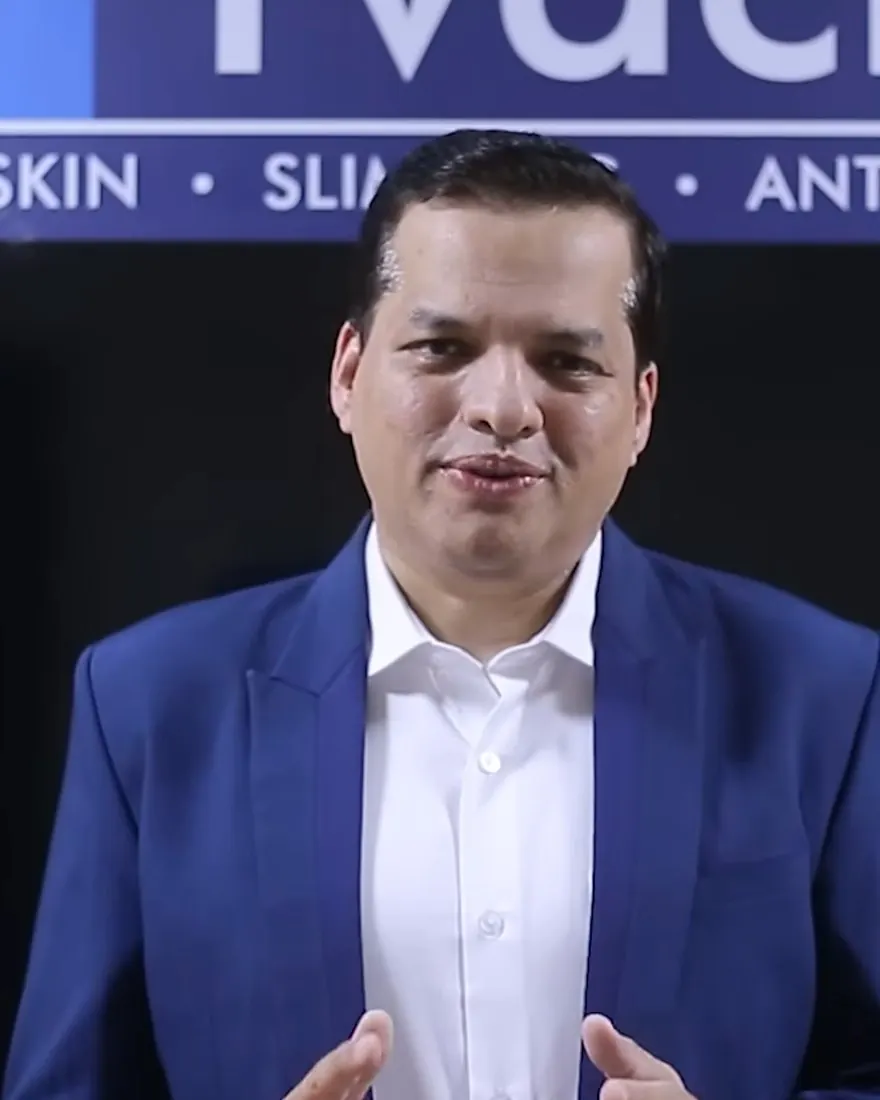
Written by
Dr Amit KarkhanisAesthetic Physician · MBBS, Dip. Dermatology (UK) · Reg. No. 2001/02/1124Founder of Dr Tvacha, practising in Thane since 2005. Leads the weight loss and hair programmes.
Sources
- Chess Fundamentals by José Raúl Capablanca (Project Gutenberg)
- Why the endgame is important (Chess.com)
- Semaglutide for managing overweight and obesity, TA875 (NICE)
- Semaglutide Injection: drug information (MedlinePlus)
This article is for general education and does not replace a consultation. Medicines and treatments are prescribed only after a doctor's assessment. Last reviewed 25 October 2026.