
Key takeaways
- The difference is not the room or the price. It is who assesses your skin and how the steps are chosen.
- Salon facials suit healthy skin for relaxation. Heavy massage, steam, scrubs, bleach and fragranced creams can trigger acne, irritation or pigment in some Indian skin.
- Medical facials use targeted ingredients, such as salicylic or glycolic acid, at controlled strengths, with hygienic extraction where needed.
- Facial reactions to cosmetics are common in India, and fragrances, preservatives and colourants are frequent triggers on patch testing.
- Neither type replaces daily sunscreen and a sensible home routine, and the effect of either is short-lived without them.
What happens in a salon facial?
A typical parlour facial goes something like this: cleanser, scrub, steam, blackhead extraction, a long massage with cream, a pack, and often bleach before or after. It is pleasant, and many women in India look forward to it before a function. I have no problem with that. Feeling good matters.
See, what happens is, the same steps are done for most people, because the facial is chosen from a menu: gold, fruit, diamond, de-tan. The person doing it may be skilled, but is not trained to tell acne from rosacea, or sensitive skin from a steroid-damaged face. That is where trouble can start.
What happens in a medical facial?
A medical facial, done properly, starts with a doctor looking at your skin and deciding what it needs. Then the steps are chosen for that purpose. A typical sequence looks like this: - Cleansing with a gentle, fragrance-free product. - A mild peel or exfoliating solution at a controlled strength, for example salicylic acid for oily, acne-prone skin or a gentle acid for dull skin. - Hygienic extraction of blackheads or whiteheads only where it helps, with sterile instruments, not squeezing. - A soothing or hydrating step, depending on the skin. - Sunscreen at the end, and advice on what to avoid for a few days.
Basically, every step has a reason, and some steps are left out on purpose. A person with active, inflamed acne may get no extraction and no massage at all.
What can go wrong with salon facials on Indian skin?
Most salon facials go fine. But I see a few patterns often enough to mention:
| Step | Possible problem on Indian skin |
|---|---|
| Bleach | Burning, redness and dark patches, especially on sensitive or thin skin |
| Heavy massage creams | Blocked pores and new breakouts in acne-prone skin |
| Massage over active acne | Spreads inflammation, more dark marks afterwards |
| Scrubs with grains | Micro-tears and irritation, then pigmentation |
| Steam | Flushing and burning in sensitive skin or rosacea |
| Fragranced products | Irritant or allergic reactions |
| Squeezing pimples by hand | Infection, marks and sometimes scars |
| Shared tools and threads | Spread of infections such as warts or molluscum |
Two Indian studies are worth knowing about. A study in the Journal of Clinical and Diagnostic Research looked at 50 patients with suspected facial reactions to cosmetics and found that itching and redness were the most common symptoms. It also pointed out that cosmetic ingredient labelling in India is limited, which makes the culprit harder to find. A 2021 study in the Indian Journal of Dermatology looked at facial pigmented contact dermatitis, a type of reaction that leaves grey-brown patches on the face, and found colourants, fragrances and preservatives among the common triggers on patch testing.
That is very important to understand. On brown skin, an irritated face does not just go red and recover. It often leaves pigment behind for months.
Who should choose which?
- Healthy skin, no active problems, wanting to relax: a salon facial is fine. Ask them to skip bleach and harsh scrubs.
- Active acne or frequent breakouts: a medical facial, or no facial until the acne is treated. See why adults still get acne.
- Pigmentation, melasma or dark marks: a medical facial with sun protection, or a planned peel. Avoid bleach. See melasma explained.
- Sensitive or red skin, or rosacea: medical assessment first. Often no facial at all until the skin is calm. See sensitive skin.
- If you have used steroid creams on your face: please see a doctor before any facial. See the hidden steroid problem in mixed creams.
- Before a wedding or big event: plan weeks ahead, not the day before. Any new product or step can react.
Is a medical facial the same as a chemical peel?
Not quite. A medical facial may include a very light peel step, but its aim is a refresh with little or no downtime. A chemical peel treatment is a series aimed at a specific problem, such as marks, melasma or texture, often at a higher strength, with some peeling afterwards. I explain the differences in chemical peels explained.
How long do the effects last?
Normally, the glow after any facial lasts a few days to a couple of weeks. Hydration fades, oil returns, and the skin renews itself every few weeks. A medical facial for acne-prone skin may help reduce blackheads for a while, but only a daily routine and proper acne treatment keep them under control. So I see facials as a support to your home care, not a substitute. The home routine is in the only skincare routine most people need.
What should I tell the person doing my facial?
- Any creams you use, especially retinoids, acids or steroid creams.
- Any recent waxing, threading or laser on the face.
- Any history of cold sores, eczema or allergies to cosmetics or hair dye.
- If you are pregnant.
- If you have an event coming up.
And it is fine to say no. If a step burns, ask them to stop and rinse it off.
How we approach this at Dr Tvacha
Medical facials are part of our skin services at all four centres. The clinic's own line is that "the secret of healthy glowing skin is a healthy second layer of the skin", so a facial here starts with a look at your skin, not a menu. At a Rs 499 skin consultation I decide whether a medical facial, a peel series or simply a better routine suits you, and the plan and fee are written down before you pay. The approach is on the Second Layer Skin Plan page, and the centres are in Thane, Andheri, Bandra and Dahisar.
Frequently asked questions
Is a facial good for acne-prone skin?
It depends on the facial. Heavy massage creams, steam and hand squeezing can make acne worse and leave dark marks on Indian skin. A medical facial using salicylic acid and careful, hygienic extraction may help with blackheads. If you have red, painful or many pimples, treat the acne first, because no facial is a substitute for acne treatment.
Is face bleach safe for Indian skin?
Facial bleach does not treat pigmentation. It mainly lightens the hair so it is less visible, and the chemicals can irritate the skin. On sensitive, thin or recently treated skin, it can cause burning, redness and dark patches. If you want to deal with facial hair, threading or laser are options. If you want to treat pigmentation, bleach is not the right tool.
How often should I get a medical facial?
For most people who choose one, every four to six weeks is plenty, and many people do not need one regularly at all. The skin's own renewal cycle takes a few weeks, so more frequent facials add little. I would rather you spend the effort on daily sunscreen and a short routine at home, with facials as an occasional support.
Can I get a facial before my wedding?
Yes, but plan ahead. Do your last facial about a week or more before the event, not the day before, and do not try a new product or step close to the date. If you have acne or pigmentation, start a treatment plan months earlier. Any reaction, even a mild one, can take days to settle and longer to fade on brown skin.
Why did my face break out after a facial?
Common reasons are heavy creams blocking pores, massage over existing acne, squeezing that spread inflammation, or a reaction to a product. Most breakouts settle within a week or two. Do not pick them, keep your routine simple, and use sunscreen to reduce dark marks. If you get burning, swelling or a rash, see a doctor in case it is a reaction.
Written by
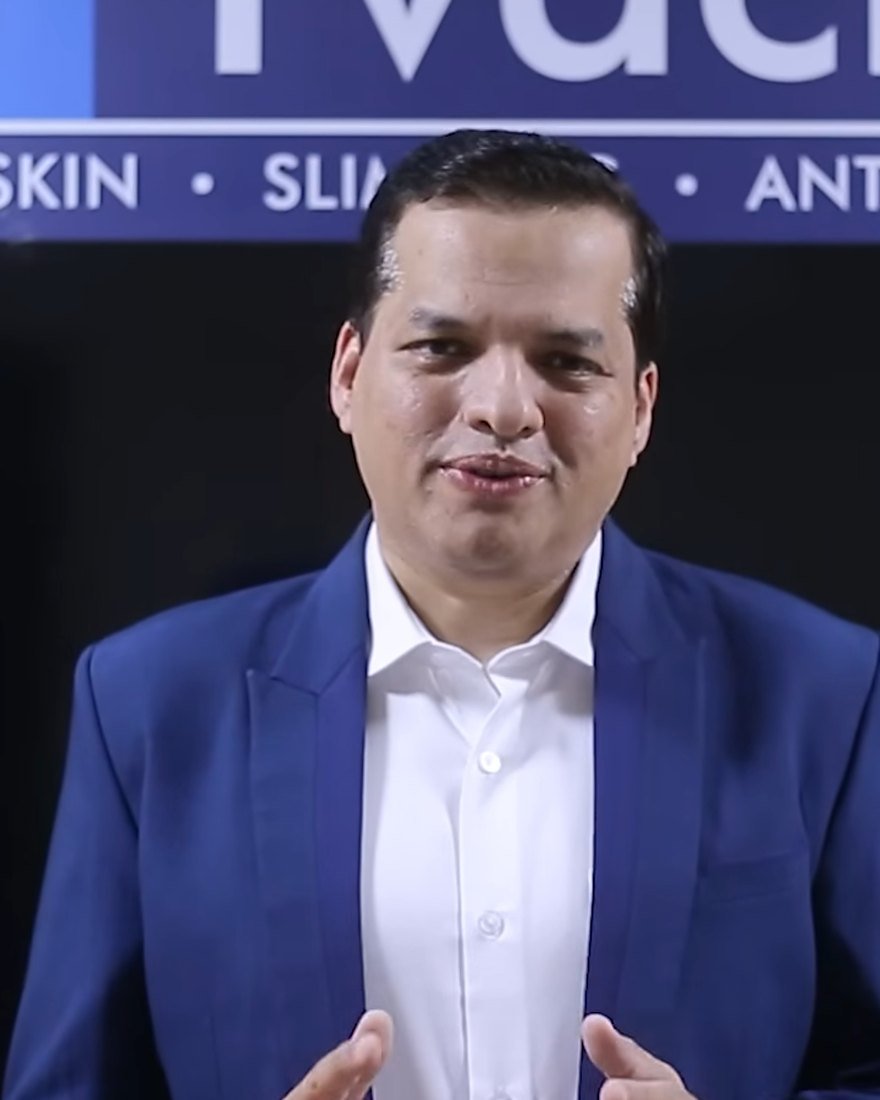
Dr Amit KarkhanisAesthetic Physician · MBBS, Dip. Dermatology (UK) · Reg. No. 2001/02/1124Founder of Dr Tvacha, practising in Thane since 2005. Leads the weight loss and hair programmes.
Sources
- Rastogi MK et al. Evaluation of suspected cosmetic induced facial dermatoses with patch testing. J Clin Diagn Res 2015
- Samanta A et al. Patch testing with Indian cosmetic series in facial pigmented contact dermatitis. Indian J Dermatol 2021
- Sensitive skin, DermNet
- How to control oily skin, American Academy of Dermatology
- Kedia P, Madke B. Unilateral molluscum contagiosum following eyebrow grooming. J Clin Diagn Res 2019
This article is for general education and does not replace a consultation. Medicines and treatments are prescribed only after a doctor's assessment. Last reviewed 25 October 2026.