Key takeaways
- Symptoms such as hot flushes, poor sleep, mood swings, aches and brain fog can last 7 to 9 years or longer, according to the NHS.
- Indian women reach menopause at about 46.7 years on average, in data cited by the Indian Menopause Society, so your mother may be in it earlier than you expect.
- Choose a private, unhurried moment to talk. Start with what you have noticed, not with a diagnosis.
- After menopause, bone and heart health need attention, and both can be checked simply.
- Effective treatments exist. Support her to see a doctor and make her own decision.
Why do so many mothers suffer in silence?
See, I'll tell you what I see so often. Women of our mothers' generation were taught that menopause is something to endure. Most grew up with nobody explaining it to them. They feel embarrassed, they think it is "just age", or they don't want to burden their children. In joint families, there is often not even the privacy to think about it, let alone talk about it.
Inside my room, many of them say it in one line: "I don't feel like myself anymore." But at home, they rarely say it out loud. They just keep making the tiffins.
As her daughter, you may be the person she feels safest with. That makes your support very precious. And honestly, every daughter who learns this now is learning it for herself too, twenty years early.
What signs might you notice at home?
The NHS lists the common symptoms. This is how they tend to show up in daily life:
| Symptom | What you may see at home |
|---|---|
| Hot flushes | Fanning herself, sweating in the kitchen, sitting under the fan in winter |
| Night sweats, poor sleep | Tired every morning, napping in the afternoon, waking at 3 am |
| Mood changes | Snapping, crying, worrying more, losing interest in things she enjoyed |
| Brain fog | Forgetting recipes, names or where she kept things; losing confidence |
| Aches and stiffness | Slower on stairs, knee or shoulder pain, avoiding sitting on the floor |
| Bladder changes | More toilet trips, avoiding long outings, frequent urine infections |
| Weight around the middle | Clothes tighter at the waist, low mood about her body |
| Changes in periods | Heavy or irregular bleeding, tiredness from low haemoglobin |
Not every woman has all of these, and some can be caused by other conditions such as thyroid problems or diabetes. See is it thyroid, diabetes or perimenopause?.
How do I start the conversation?
- Choose the moment. A quiet walk, a drive, or a cup of tea when nobody else is around. Not in front of the family, and never during an argument.
- Start with what you have noticed. "Mummy, you seem very tired lately and you're not sleeping well. How are you really feeling?"
- Normalise it. "I read that a lot of women go through this in their 40s and 50s. It's hormones, and there's treatment for it."
- Listen more than you speak. She may need to talk about more than symptoms: her own mother, her marriage, feeling invisible.
- Don't push a diagnosis or a treatment. Your role is to open the door, not to decide for her.
- Offer something concrete. "Shall I book an appointment? I'll come with you if you want."
If she brushes it off, please don't give up. Leave the door open and try again another day. Mothers sometimes need to hear it twice before they believe they are allowed to look after themselves.
How can I help in practical ways?
- Share household work. Take over a meal, the morning rush, or grocery shopping, especially on days after a bad night.
- Make the home cooler. A fan in the kitchen, cotton bedsheets, a cool bedroom at night.
- Walk and exercise together. Evening walks or a simple strength routine at home. See strength training for women over 40.
- Help with food. More protein and calcium for the whole family: curd, paneer, dals, ragi, til. See eating well in perimenopause.
- Protect her rest. Encourage her to sleep in on weekends and take a break without guilt.
- Help with the logistics. Booking appointments, keeping reports in one folder, setting medicine reminders on her phone.
- Talk to your father, gently. He may not understand what is happening either. Our article for husbands may help.
What health checks should she have?
Menopause is not only about symptoms. Lower estrogen changes long-term health, and this is the time to check:
- Bones. Bone loss speeds up after menopause. The International Osteoporosis Foundation estimates that about 1 in 3 women over 50 will have an osteoporotic fracture. The Indian Menopause Society suggests a DEXA bone scan for women five or more years past menopause, or earlier with risk factors. See bone health after 40.
- Heart. Blood pressure, sugar and cholesterol, checked regularly. The British Heart Foundation notes that women's heart attack symptoms can be less typical, such as breathlessness, nausea, or jaw or back pain. Learn these signs yourself.
- Vitamin D, haemoglobin and thyroid, if symptoms suggest it.
- Cancer screening. Ask her doctor which breast and cervical screening tests she needs and how often.
- Bleeding after menopause. Any bleeding after periods have stopped for a year needs a doctor's check.
What if she does not want treatment?
That is her right. Some women manage well with lifestyle changes. Others want medical help. Treatment options include lifestyle measures, cognitive behavioural therapy (which the NHS says can help with low mood, anxiety, sleep problems and hot flushes), non-hormonal medicines, and hormone therapy.
You will probably hear old fears about hormone therapy from relatives or the internet. In November 2025 the US FDA began removing broad boxed warnings from menopausal hormone therapy labels, reflecting updated evidence for women under 60 or within 10 years of menopause. That does not mean it suits every woman. It is a prescription decision made after a full assessment of her own history.
The point is, your job is to help her get good information and a proper consultation. The decision stays with her.
How I approach this at Dr Tvacha
At Cocoon × Dr Tvacha in Thane West, daughters are welcome to come along to the consultation if the mother wishes. I love it when they do. Within The Right Stop Programme, I go through every symptom in a long, unhurried consultation, order only the tests needed, and fix review dates from day one. Consultations are in English, Hindi and Marathi.
Frequently asked questions
How do I know if my mother is going through menopause?
Look for a pattern of symptoms in her mid 40s to 50s: hot flushes, sweating, poor sleep, mood swings, forgetfulness, aches, weight around the middle and changes in her periods. Indian women reach menopause at about 46.7 years on average. Some of these symptoms can also come from thyroid problems or diabetes, so a doctor's check is worthwhile.
How do I talk to my mother about menopause?
Choose a private, relaxed moment, like a walk or a quiet cup of tea. Start with what you have noticed, such as tiredness or poor sleep, and ask how she is really feeling. Explain that these changes are common and treatable. Listen more than you speak, and offer to book or come with her to an appointment.
What tests should my mother have after menopause?
Common checks include blood pressure, blood sugar, cholesterol, haemoglobin and vitamin D. The Indian Menopause Society suggests a DEXA bone scan for women five or more years past menopause, or earlier with risk factors. She should also ask about breast and cervical screening. Any bleeding after menopause needs prompt assessment, so please don't let her ignore it.
My mother refuses to see a doctor. What can I do?
Respect her feelings but keep the door open. Share simple information, offer to book the appointment and go with her, and suggest seeing a woman doctor if that feels more comfortable. Sometimes starting with a general health check, rather than a "menopause visit", feels easier. Seek urgent help for chest pain, heavy bleeding or very low mood.
Is hormone therapy safe for my mother?
It depends on her age, time since menopause and health history. Evidence now supports a more balanced view for women under 60 or within 10 years of menopause, and in 2025 the US FDA began removing broad boxed warnings. But it is not suitable for everyone. It is a prescription decision made after a full assessment, and non-hormonal options exist.
Written by
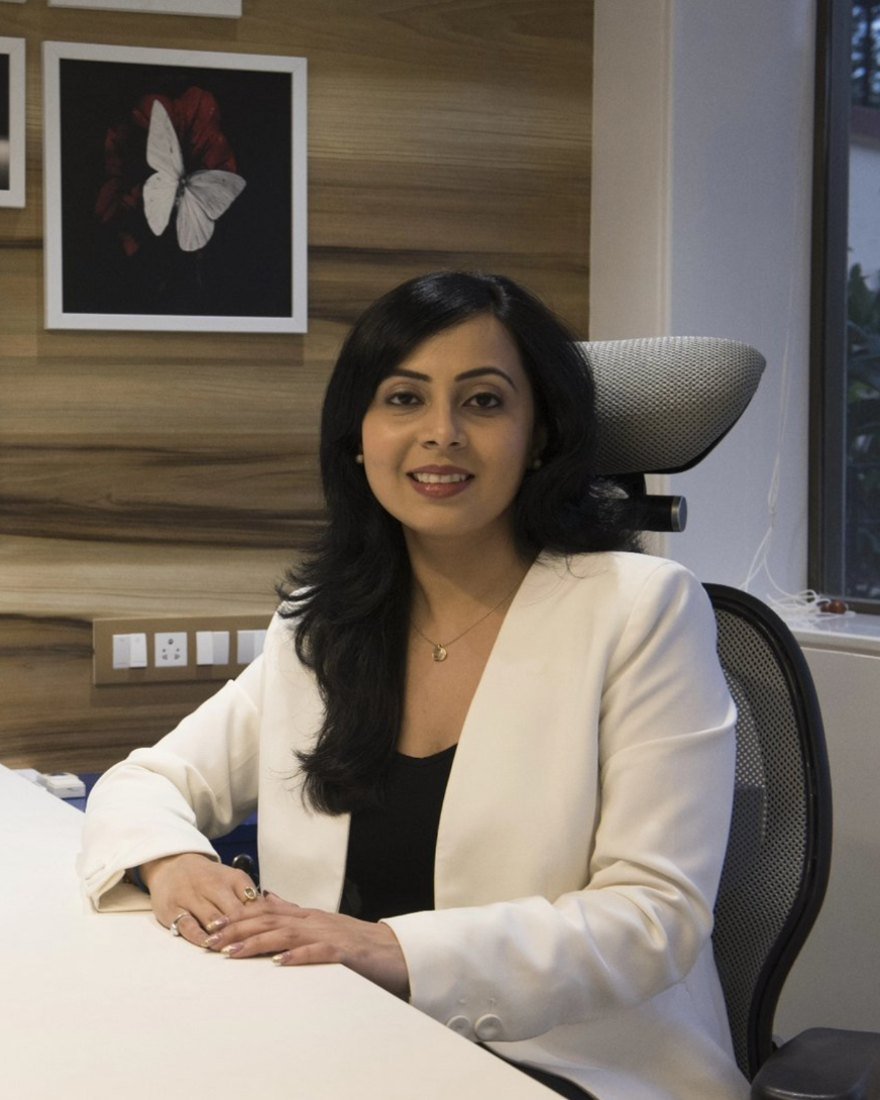
Dr Anagha KarkhanisGynaecologist and Fertility Specialist · Reg. No. 2006/02/1187Leads midlife women's health at Cocoon × Dr Tvacha, Thane.
Sources
- Menopause symptoms: NHS
- Menopause: things you can do, NHS
- Clinical Practice Guidelines on Postmenopausal Osteoporosis: Indian Menopause Society, Journal of Mid-Life Health
- Epidemiology of osteoporosis and fragility fractures: International Osteoporosis Foundation
- Signs and symptoms of heart attacks in women: British Heart Foundation
- HHS advances women's health, removes misleading FDA warnings on hormone replacement therapy: US FDA
This article is for general education and does not replace a consultation. Medicines and treatments are prescribed only after a doctor's assessment. Last reviewed 25 October 2026.