
Key takeaways
- Walking alone is good for the heart but does not build enough muscle. Women over 40 need strength work too.
- The NHS recommends strengthening all major muscle groups on at least two days a week, working each until you need a short rest.
- The Royal Osteoporosis Society advises combining impact and strength exercise for the best effect on bone.
- Stronger muscles take load off the knees and hips, help blood sugar control, and improve balance, which prevents falls.
- Start light, increase gradually, and get advice first if you have osteoporosis with fractures, heart disease or recent surgery.
Why does strength matter more after 40?
The misunderstanding I meet most often is this: "Doctor, I walk every evening, so I am exercising." Walking is wonderful. But it is only half the story. The American Heart Association's 2020 scientific statement on the menopause transition notes that women tend to gain fat around the middle and lose lean muscle during this time, which raises heart risk even when the weighing scale does not move much. Falling estrogen also speeds up bone loss in the years around the last period.
The same statement found that only about 7% of perimenopausal women meet physical activity recommendations. The WHO reports that women worldwide are, on average, less active than men, and inactivity rises after 60.
In practice, I see this every week in Thane: women who walk every evening, eat carefully, and still feel weaker, stiffer and heavier around the waist than five years ago. Walking is excellent for the heart and mood. But muscle and bone respond to load, and walking alone does not provide enough of it. Think of muscle and bone like a savings account that the body only tops up when you ask it to carry something heavy.
Strength training helps with:
- Bone: muscles pulling on bone stimulate it to stay strong. See bone health after 40.
- Muscle: you keep the strength to climb stairs, lift a cylinder, get up from the floor after puja, and carry your grandchildren.
- Belly fat and blood sugar: muscle is where much of your blood sugar is used, so more muscle helps sugar control.
- Joints: stronger thigh and hip muscles take load off painful knees. See joint pain and menopause.
- Balance and falls: the NHS notes that strength and balance exercise can make you steadier and more confident on your feet.
- Sleep and mood: regular exercise supports both.
How much do I need?
The NHS guidance for adults is:
- At least 150 minutes a week of moderate activity, such as brisk walking, and
- Strengthening activities on at least two days a week that work the legs, hips, back, abdomen, chest, shoulders and arms
Strength work is in addition to your walking minutes, not part of them. Each exercise should be done until you need a short rest before you could repeat it. That is the signal that the muscle has been challenged enough.
The Royal Osteoporosis Society recommends both impact exercise (such as brisk walking, stair climbing, heel drops or dancing) and strength exercise, built up gradually, for the best effect on bones.
What is a simple plan to start at home?
You don't need a gym. A chair, a wall, a resistance band and two water bottles or light dumbbells are enough to begin. Do this on two or three non-consecutive days a week.
| Exercise | Works | How to start |
|---|---|---|
| Sit-to-stand from a chair | Thighs, hips | 8 to 12 times, arms crossed; slow on the way down |
| Wall push-ups | Chest, arms, shoulders | 8 to 12 times; move to a kitchen counter, then the floor, as you get stronger |
| Band or bottle rows | Upper back, posture | 10 to 12 times each side |
| Glute bridge | Hips, lower back | Lie on your back, knees bent, lift hips; 10 to 12 times |
| Step-ups on the bottom stair | Thighs, balance | 8 to 10 each leg, holding the railing |
| Overhead press with bottles | Shoulders, arms | 8 to 12 times, seated or standing |
| Heel drops | Impact for hip and spine | Rise onto toes, drop onto heels; 10 to 20 times (skip if you have spinal fractures) |
| Standing on one leg | Balance | Hold a chair; 20 to 30 seconds each side |
Start with one set of each. After two or three weeks, add a second set. When 12 repetitions feel easy, make it harder: a heavier weight, a stronger band, or a slower movement. This gradual increase is literally what makes strength training work.
Tips for real life:
- Salwar, track pants or a loose kurta are fine. You don't need special clothes.
- During the Mumbai monsoon, when evening walks stop, this plan keeps you going indoors.
- Pair it with something you already do: after morning tea, or while the dal cooks in the pressure cooker.
- If you prefer a class, yoga styles that hold poses, and Pilates, count as strengthening according to the NHS.
What about lifting heavier weights at a gym?
Once you have learned good form, heavier weights are safe and effective for most women, and many women in their 50s and 60s train this way. A qualified trainer can teach squats, deadlifts and presses with correct technique. Build up over months, not weeks.
And no, you will not become "bulky". Women's hormone levels make large muscle gain very slow. What you will notice is firmer arms and legs, better posture and more energy.
Do I need to change what I eat?
Muscle needs protein to rebuild. Many Indian vegetarian diets are rich in carbohydrate and light on protein, especially at breakfast and dinner. Aim for a protein source at every meal: dal, chana, rajma, paneer, curd, buttermilk, soya chunks, tofu, sprouts, eggs, fish or chicken if you eat them. Our Indian diet guide for perimenopause has meal ideas.
Calcium and vitamin D matter for bone, so check your vitamin D level if you haven't done so recently.
Who should get advice before starting?
Talk to your doctor or a physiotherapist first if you:
- Have osteoporosis with previous spine fractures, or are recovering from a fracture (the Royal Osteoporosis Society advises this)
- Have heart disease, uncontrolled blood pressure, chest pain or breathlessness on exertion
- Have had recent surgery, including a hysterectomy
- Have a hernia, prolapse or leaking urine with exercise (see bladder leaks and the pelvic floor)
- Have not exercised for a long time and have medical conditions, as the NHS advises
Exercise supports bone health but, as the Royal Osteoporosis Society notes, it does not replace osteoporosis medicine if you are at high risk of fracture.
How I approach this at Dr Tvacha
At Cocoon × Dr Tvacha in Thane West, exercise is part of the plan, not an afterthought. Within The Right Stop Programme, I look at your bone health, joints, heart risk and symptoms, and advise what kind of movement is safe for you and how to build up over the months. The point is, the next thirty years should be strong years.
Frequently asked questions
Is it too late to start strength training at 50?
No. Muscles respond to training at any age. The NHS recommends strengthening exercise on at least two days a week for all adults, including those over 65. Start with body weight or light resistance, learn good technique, and increase gradually. If you have health conditions or haven't exercised for a long time, check with your doctor first.
Is walking enough exercise for women over 40?
Walking is very good for the heart, mood and blood sugar, but on its own it does not provide enough load to maintain muscle and bone. The NHS advises adding strengthening activities on at least two days a week. A mix of brisk walking, strength exercises and some impact, such as stair climbing, gives the broadest benefit.
Can strength training help with menopause belly fat?
It helps. During the menopause transition, women tend to lose muscle and gain fat around the middle, as the American Heart Association notes. Strength training helps maintain muscle, which supports blood sugar control and daily energy use. Combined with enough protein, daily walking and good sleep, it is one of the most useful steps for your waist.
Is weight training safe if I have osteoporosis?
Often yes, with the right exercises and guidance. The Royal Osteoporosis Society recommends both strength and impact exercise for bones, chosen to suit you. If you have had spine fractures or are recovering from a fracture, get advice from a doctor or physiotherapist first. Exercise supports bone but does not replace prescribed treatment when fracture risk is high.
How long before I see results from strength training?
Many women feel stronger and steadier within a few weeks of regular sessions, and daily tasks like climbing stairs become easier. Changes in muscle shape and waist size take longer, usually a few months of consistent training with enough protein. Bone changes are slower still. The key is to keep going and gradually increase the challenge.
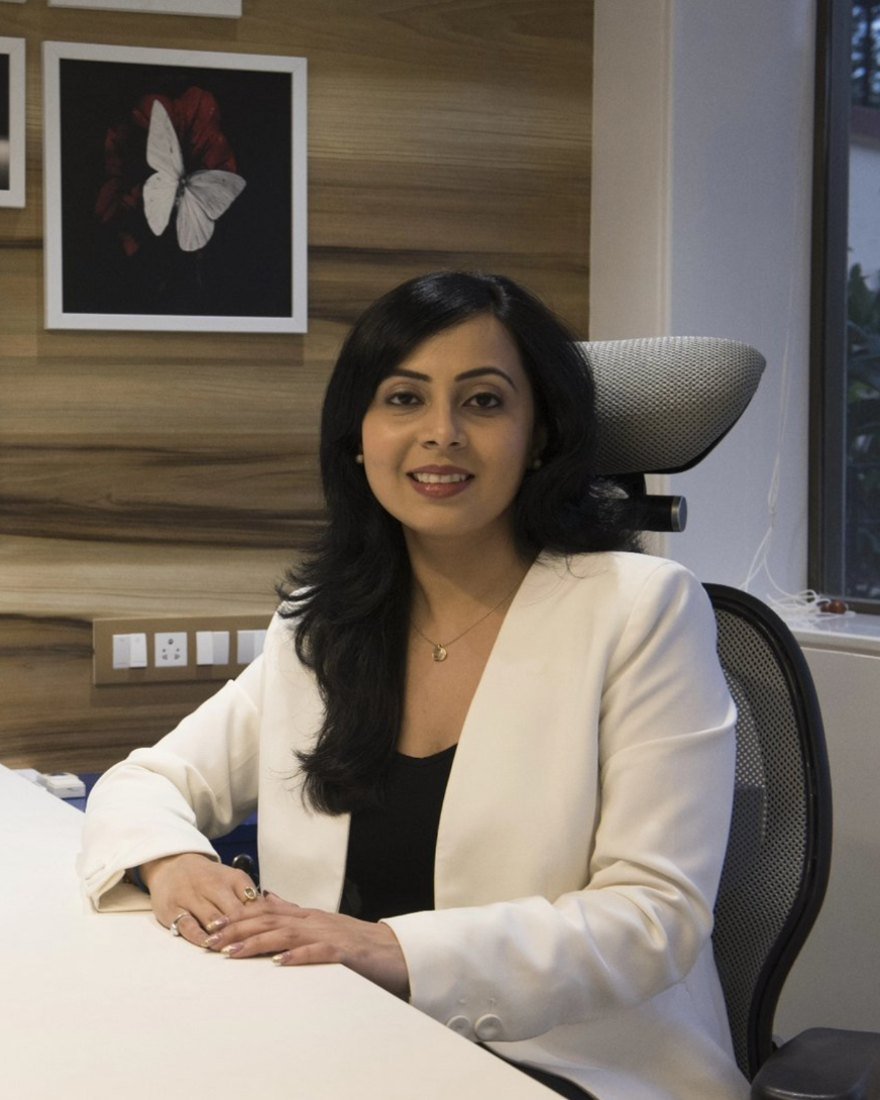
Written by
Dr Anagha KarkhanisGynaecologist and Fertility Specialist · Reg. No. 2006/02/1187Leads midlife women's health at Cocoon × Dr Tvacha, Thane.
Sources
- Physical activity guidelines for adults aged 19 to 64: NHS
- Physical activity guidelines for older adults: NHS
- Exercise for bones: Royal Osteoporosis Society
- Physical activity fact sheet: World Health Organization
- Menopause Transition and Cardiovascular Disease Risk, AHA Scientific Statement: American College of Cardiology summary
This article is for general education and does not replace a consultation. Medicines and treatments are prescribed only after a doctor's assessment. Last reviewed 25 October 2026.