
Key takeaways
- Most Indians eat only 300 to 500 mg of calcium a day, according to the Endocrine Society of India, while ICMR-NIN guidance sets about 1,000 mg for most adults.
- Protein at breakfast, lunch and dinner helps maintain muscle, which falls during the menopause transition.
- Fibre from whole dals, millets, vegetables and fruit supports cholesterol, sugar control and bowels.
- Caffeine, alcohol, spicy food and hot drinks can trigger hot flushes in some women, says the NHS. Notice your own triggers.
- Check with a doctor before taking herbal "menopause" supplements, which can interact with other medicines.
What changes in your body that food can help with?
Women often ask me for "the menopause diet", as if there is a secret chart. Leave all those definitions. Let me first tell you what is changing inside. Perimenopause is not only about hot flushes. The American Heart Association's 2020 statement on the menopause transition describes rising LDL cholesterol, fat moving to the waist and loss of lean muscle. Bone loss speeds up as estrogen falls. And poor sleep and mood swings make the cravings for sweets and chai much stronger.
Food will not stop the hormonal change. But it strongly affects how you feel through it, and how healthy your heart and bones are at 60. The point is: you don't need a special "menopause diet". You need a well-built Indian plate, eaten consistently.
How should my plate look?
A simple way to think about each main meal:
- Half the plate: vegetables, cooked and raw (sabzi, koshimbir, salad, leafy greens)
- A quarter: protein (dal, chana, rajma, paneer, tofu, soya, curd, eggs, fish, chicken)
- A quarter: whole grains (jowar, bajra or nachni bhakri, whole wheat roti, brown or hand-pounded rice, millets)
- Plus: a small portion of healthy fat, and curd or buttermilk on the side
Most Indian thalis are literally the other way around: a big mound of rice or several chapatis, a small bowl of dal, and one spoon of sabzi. Simply flipping those proportions makes a big difference. And you don't have to cook separately for yourself. The whole family benefits from the same plate.
How do I get enough protein as a vegetarian?
Think of muscle as a bank balance that needs regular deposits. It needs protein to maintain itself, especially if you are doing strength training, which I recommend for every woman over 40. Many vegetarian women eat very little protein at breakfast and dinner.
Spread protein across the day:
- Breakfast: besan or moong dal chilla, paneer or tofu bhurji, egg omelette, sprouts poha, or curd with nuts and seeds instead of plain poha or toast
- Lunch: a full bowl of thick dal or usal, plus curd or buttermilk
- Snack: roasted chana, a handful of peanuts, a glass of milk or buttermilk, sprouts chaat
- Dinner: paneer, soya chunks, rajma, chole or dal with vegetables, instead of only khichdi or roti with a thin sabzi
Soya foods such as tofu, soya chunks and soya milk are good-quality protein and fit easily into Indian cooking.
How do I get enough calcium?
The Endocrine Society of India's 2026 consensus statement, reported by ThePrint, notes that the ICMR-NIN 2020 guideline sets about 1,000 mg of calcium a day for most adults, and that typical Indian intake is only 300 to 500 mg. The Indian Menopause Society advises more than 800 mg a day after menopause. Both say food should come first.
| Food | Approximate calcium | Easy ways to include it |
|---|---|---|
| Milk, 1 glass (200 ml) | About 250 mg | Morning or bedtime; in dalia or porridge |
| Ragi (nachni), 100 g flour | About 344 mg | Nachni bhakri, ragi dosa, ragi porridge; sprouted ragi is absorbed better |
| Curd or buttermilk | Good source | With lunch daily |
| Paneer | Good source | Bhurji, tikka, in sabzi |
| Til (sesame) | Good source | Til chutney, til laddoo, sprinkled on sabzi |
| Rajma, horse gram (kulith), chana | Moderate source | Usal, kulith pithla, chana chaat |
| Leafy greens: methi, chawli, drumstick leaves, curry leaves | Moderate source | Theplas, sabzi, dal |
Calcium figures for milk and ragi are from the Endocrine Society of India guidance as reported by The South First and ThePrint. If you cannot reach your target through food, your doctor may suggest a supplement. The Indian Menopause Society advises taking no more than 500 mg at a time. Read more in bone health after 40.
Vitamin D is equally important and hard to get from food. Ask for a blood test rather than guessing a dose.
What helps the heart and the waist?
Based on British Heart Foundation and Women's Health Concern advice:
- More fibre: whole dals with skin (masoor, moong, chana), millets, oats, vegetables at both meals, and whole fruit rather than juice
- Nuts and seeds daily: a small handful of almonds, walnuts, peanuts, flaxseed or til
- Better fats: cook with less oil, rotate oils such as groundnut, mustard and rice bran, and keep ghee to a small amount
- Fish twice a week if you eat it, such as surmai, bangda or rawas, grilled or in curry rather than fried
- Less salt: pickles, papad, farsan, chutney powders, instant noodles and restaurant food add up quickly
- Less sugar: sweets after every meal, sugar in three or four cups of chai, biscuits, and packaged juices
Simple swaps work best: roasted makhana or chana instead of farsan, unsweetened chai, a fruit instead of mithai on ordinary days, and saving sweets for festivals and functions.
Can food help hot flushes?
Some women notice that certain foods trigger flushes. The NHS lists spicy food, caffeine, hot drinks, alcohol and smoking as possible triggers. You don't need to give up everything. Keep a short diary for two weeks and see what affects you. Many women find a cooler drink, a smaller late dinner and less afternoon tea help.
Evidence for specific foods or supplements reducing flushes is mixed. The NHS advises checking with a doctor before taking herbal supplements, because some interact with other medicines and quality varies. If flushes affect your sleep or work, there are effective treatments to discuss. See hot flushes: why they happen and what helps.
What does a sample day look like?
| Time | What to eat |
|---|---|
| Early morning | Water; a few soaked almonds and a walnut |
| Breakfast | Two moong dal chillas with mint chutney and a bowl of curd |
| Mid-morning | A fruit (guava, orange, apple, papaya) |
| Lunch | Two jowar or nachni bhakris, a bowl of thick dal, a large bowl of sabzi, koshimbir, buttermilk |
| Evening | Unsweetened chai or a glass of milk, roasted chana or makhana |
| Dinner (early, by 8 to 8:30 pm) | Paneer or tofu bhurji or chicken curry, a vegetable, one roti or a small portion of rice, salad |
Adjust portions to your hunger, activity and weight goals. If you have diabetes, kidney disease or other conditions, your diet should be tailored by your doctor or a dietitian.
How I approach this at Dr Tvacha
At Cocoon × Dr Tvacha in Thane West, food is part of every plan in The Right Stop Programme. I look at your symptoms, weight, blood results, bone health and heart risk together, and suggest changes that fit your family's kitchen, not a separate diet for you alone. For bloating and digestive symptoms, there is also an inflammation and bloating programme.
Frequently asked questions
What is the best Indian diet for perimenopause?
There is no single diet, but a well-built Indian plate works well: half vegetables, a quarter protein such as dal, paneer, soya, eggs or fish, and a quarter whole grains such as jowar, bajra, nachni or whole wheat. Add curd or buttermilk daily and a handful of nuts, and cut back on sugar, fried snacks and salt.
How much calcium does a woman over 40 need?
ICMR-NIN 2020 guidance sets about 1,000 mg of calcium a day for most adults, as reported in the Endocrine Society of India's 2026 consensus statement. The Indian Menopause Society advises more than 800 mg a day after menopause. Most Indians eat far less. Milk, curd, paneer, ragi, til and pulses help you reach it through food.
Does soya help with menopause symptoms?
Soya foods such as tofu, soya chunks and soya milk are a useful source of protein for vegetarians and fit Indian cooking well. But the evidence that soya reliably reduces hot flushes is mixed, so please don't rely on it as a treatment. If flushes affect your sleep or daily life, discuss proven treatment options with your doctor.
Which foods make hot flushes worse?
The NHS lists spicy food, caffeine, hot drinks and alcohol as possible triggers, along with smoking. Triggers vary between women, so keep a short diary to find yours. Many women find that reducing afternoon tea and coffee, choosing cooler drinks and eating a lighter, earlier dinner helps, especially in Mumbai's heat and humidity.
Should I take a menopause supplement?
Not without checking with your doctor. The NHS advises speaking to a doctor before taking herbal supplements, because some interact with other medicines and product quality varies. Vitamin D and sometimes calcium may be needed, but only after a blood test or a look at your diet. Food should always come first.
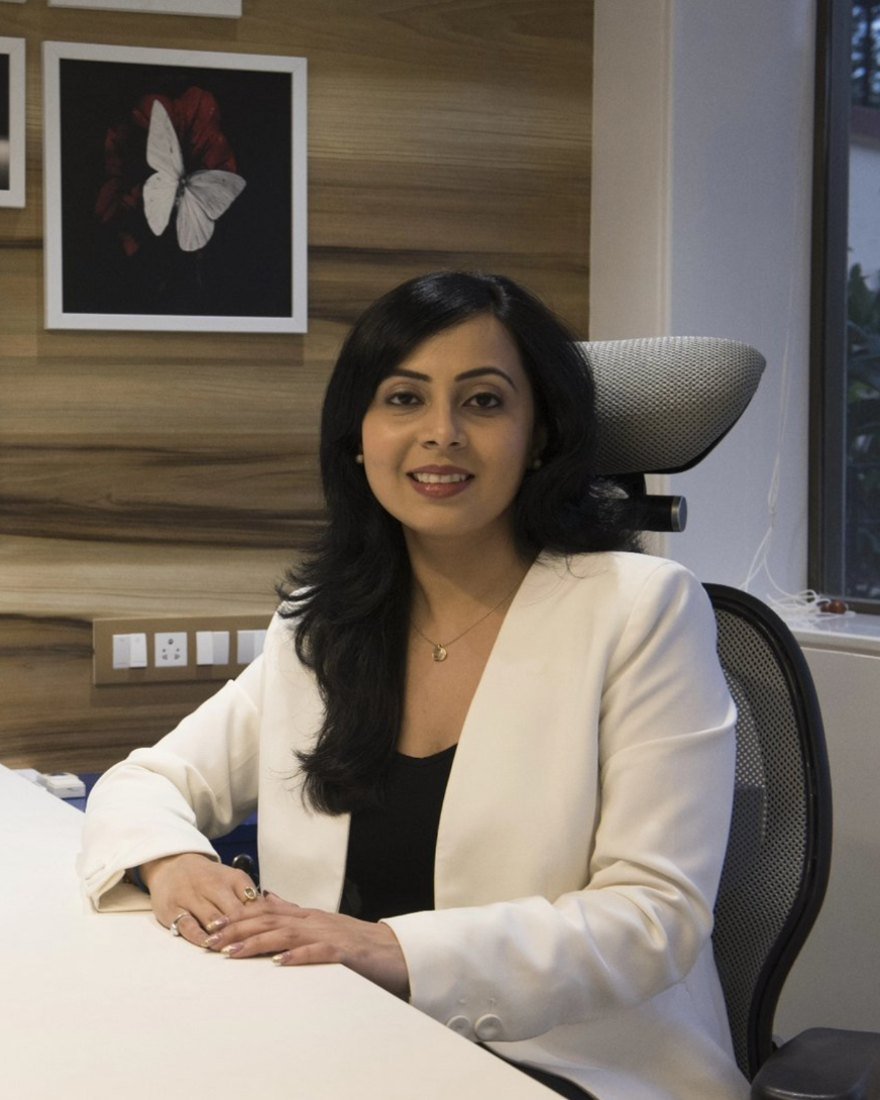
Written by
Dr Anagha KarkhanisGynaecologist and Fertility Specialist · Reg. No. 2006/02/1187Leads midlife women's health at Cocoon × Dr Tvacha, Thane.
Sources
- Food over pills: new calcium recommendations flag unnecessary use of supplements, ThePrint
- Food first, supplements only when needed, says Endocrine Society of India's first calcium guidance: The South First
- Clinical Practice Guidelines on Postmenopausal Osteoporosis: Indian Menopause Society, Journal of Mid-Life Health
- Menopause: things you can do, NHS
- Heart health and cholesterol in menopause factsheet: Women's Health Concern
- Menopause Transition and Cardiovascular Disease Risk, AHA Scientific Statement: American College of Cardiology summary
This article is for general education and does not replace a consultation. Medicines and treatments are prescribed only after a doctor's assessment. Last reviewed 25 October 2026.