
Key takeaways
- Match the treatment to the scar type. Rolling, boxcar and ice-pick scars behave differently.
- Combining methods usually works better than repeating one method many times.
- Fractional lasers tend to give more improvement than microneedling alone, but carry more risk of temporary darkening in brown skin.
- Expect several sessions and improvement, not perfect skin. Results vary.
- Active acne and dark marks should be controlled before scar treatment starts.
Before choosing a treatment, what should be checked?
Someone says, "Doctor, I want the laser for my scars." Okay, sure. But first, let me check three things, because they decide whether the laser will help you or just give you a week of redness.
- Is acne still active? If new pimples are forming, we treat those first. DermNet advises treating active acne before treating scars.
- Are these scars or marks? Flat brown patches are pigment, not scars. My article on acne marks vs scars explains how to tell.
- Which scar types do you have? Ice-pick, boxcar, rolling or raised. Most faces have a mix.
I also ask about keloids, cold sores, recent isotretinoin, pigmentation history and your work schedule, because downtime matters in Mumbai when you have to be in the office on Monday.
What are the main acne scar treatments?
| Treatment | Best suited for | Typical course | Downtime | Pigment risk in Indian skin |
|---|---|---|---|---|
| Fractional ablative laser (CO2 or Erbium) | Rolling and boxcar scars, overall texture | Several sessions, about a month apart | Redness and crusting for several days | Moderate, needs priming and sun care |
| Microneedling | Mild rolling scars, texture | Several sessions, about a month apart | One to two days of redness | Lower |
| Subcision | Rolling scars tethered down | Often one to three sessions | Bruising for several days | Low |
| Chemical peels (superficial) | Very shallow scars, marks, texture | Repeated every few weeks | Mild peeling | Low with superficial peels |
| Focal TCA (TCA CROSS) | Ice-pick and narrow boxcar scars | A few sessions | Small scabs for several days | Moderate, done carefully |
| Fillers | Some soft rolling or depressed scars | As needed; temporary | Minimal | Low |
| Punch excision or grafting | Deep ice-pick or boxcar scars | Usually once per scar | Stitches or small wounds | Low to moderate |
| Steroid injections, silicone | Raised and keloid scars | Repeated injections | Minimal | Can cause lightening |
These categories come from DermNet's overview of resurfacing, lifting and excision techniques. The exact plan depends on your skin.
How well do lasers work for acne scars in Indian skin?
There is useful Indian data here, which matters because most global studies are on lighter skin.
- An Indian study published in IJDVL in 2013 treated 25 adults with skin types IV and V using a fractional Erbium laser for four monthly sessions. Almost all patients reported at least fair improvement, rolling and superficial boxcar scars improved more than ice-pick and deep boxcar scars, and post-inflammatory hyperpigmentation occurred in a small proportion of sessions. Average downtime was under a week. It was a small study without a control group.
- A 2024 split-face study in the Indian Dermatology Online Journal compared fractional CO2 laser with microneedling in 30 patients over four monthly sessions. The laser side improved more, but also had more post-inflammatory darkening, particularly in darker skin. Ice-pick scars responded poorly to both, and scars less than ten years old responded better.
That is very important to understand. Lasers can work well on brown skin, but the settings, preparation and aftercare decide how safe they are. Pigment after a laser is usually temporary, but it can take weeks to months to settle.
Why are combinations often better?
See, what happens is, each scar type has a different problem underneath. A rolling scar is pulled down by a fibrous band, so resurfacing alone only partly helps; subcision releases the band. An ice-pick scar is a narrow, deep tunnel, so surface treatments barely reach it; focal treatment or punch techniques target it directly. A boxcar scar has sharp edges that resurfacing can soften.
So a realistic plan often looks like this: 1. Control acne and fade marks. 2. Release rolling scars with subcision where needed. 3. Treat deep pits individually. 4. Resurface the whole area with laser or microneedling over several sessions. 5. Maintain with good skin care and sun protection.
I would rather do fewer, well-chosen steps than many sessions of one thing that does not suit your scars.
Do chemical peels work for acne scars?
Superficial peels help mainly with marks, mild texture and very shallow scars. The Indian guidelines on chemical peels list superficial acne scars and post-acne pigmentation among their uses, and note that superficial peels are considered safe in Indian patients, while medium-depth peels need great caution in darker skin because of prolonged pigmentation risk.
For deeper scars, a full-face peel is not enough. That is where focal techniques, lasers and subcision come in. If you want to understand peels better, read chemical peels explained.
What results can I realistically expect?
The American Academy of Dermatology says acne scars rarely disappear on their own. Treatment improves them; it does not erase them. What I see normally is:
- Improvement builds gradually, often becoming more noticeable after the third session.
- Shadows and unevenness soften, so make-up sits better and the skin looks smoother in daylight.
- Ice-pick scars are the most stubborn.
- Older scars tend to respond less than newer ones.
I would rather tell you this upfront than have you disappointed after three sessions. Results vary from person to person.
How do I prepare and what about aftercare?
- Priming. Sunscreen and sometimes a pigment-lowering cream for a few weeks beforehand reduce the risk of darkening.
- Timing. Avoid planning sessions just before a wedding or a beach holiday.
- Medicines. Tell me if you have taken isotretinoin recently, or if you get cold sores.
- Aftercare. Gentle cleanser, bland moisturiser, mineral sunscreen, and no picking at crusts. My peel aftercare guide covers the same principles.
How we approach this at Dr Tvacha
At Thane, Andheri, Bandra and Dahisar, I assess scar types, active acne and pigment first, then write down a plan that lists the steps, number of sessions and fees before you pay. Treatments available at our centres include laser therapy, chemical peels, acne treatment and PRP, and I will tell you honestly if your scars need something we would refer for. The Rs 499 skin consultation is the starting point. You can read about the Second Layer Skin Plan or find a centre.
Frequently asked questions
How many sessions do acne scars need?
Most people need several sessions, commonly three to six, spaced about a month apart, depending on scar type and the method used. Indian studies of fractional lasers used four monthly sessions. Improvement is gradual, and many people notice a clearer change after the third. Deep or mixed scars may need different methods combined, so the total plan varies.
Is laser safe for acne scars on brown skin?
Lasers can be used safely on Indian skin types when the settings, preparation and aftercare are right. The main risk is temporary darkening, called post-inflammatory hyperpigmentation, which is more likely with stronger settings and in darker skin. Priming the skin, strict sun protection and spacing sessions properly reduce this risk. It is not zero, and I explain it before we start.
Which is better for acne scars, laser or microneedling?
In a 2024 Indian split-face study, fractional CO2 laser improved atrophic scars more than microneedling, but caused more pigmentation and slightly longer healing. Microneedling has less downtime and lower pigment risk. The choice depends on your scar type, how dark your skin is, your tolerance for downtime and your expectations. Many plans use both.
Can fillers fix acne scars?
Fillers can lift some soft, rolling or depressed scars and give an immediate improvement, but hyaluronic acid fillers are temporary, so the effect fades over time. They do not help ice-pick scars much. I usually see fillers as one part of a scar plan rather than the whole answer, and they must be done by a trained doctor.
When can I start scar treatment after acne clears?
Normally once your acne has been controlled for a while and the skin is calm. If you have taken isotretinoin, tell your doctor, because guidelines advise caution with some procedures for a period after stopping. Starting while acne is active means new scars keep forming, and inflamed skin is more likely to darken after a procedure.
Written by
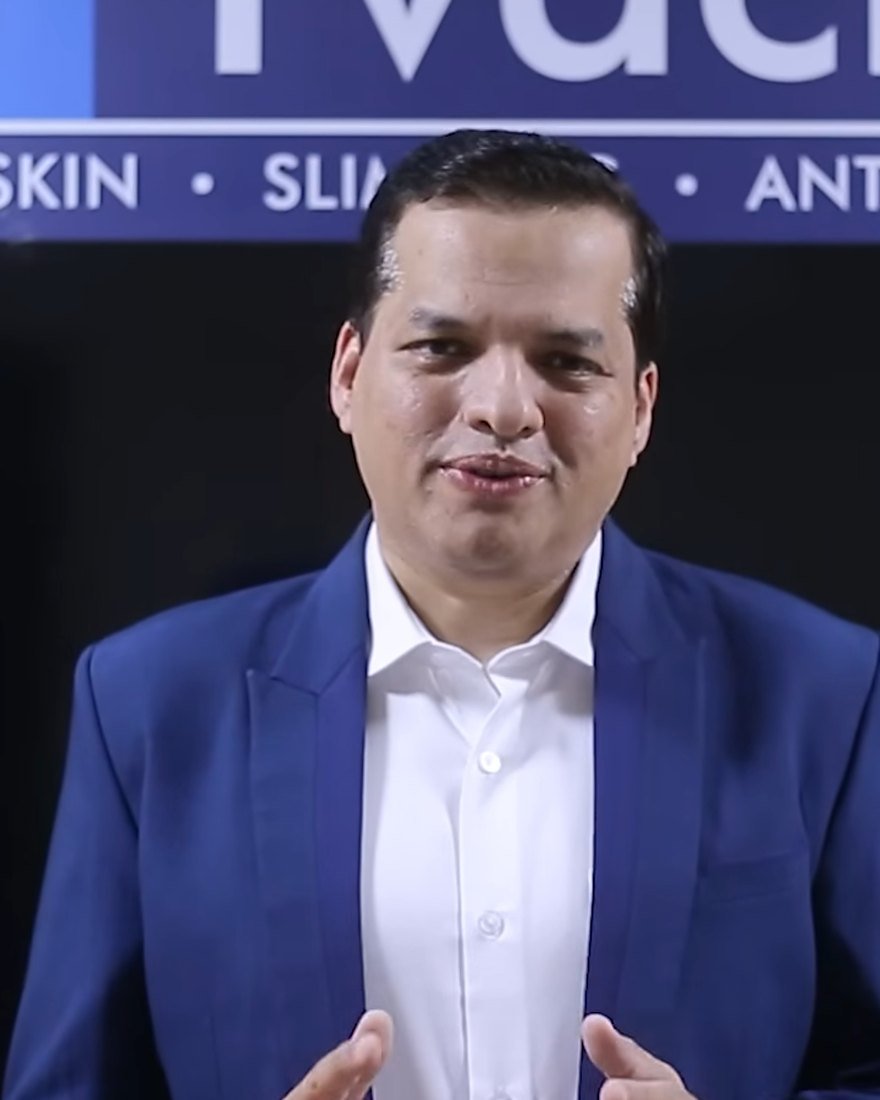
Dr Amit KarkhanisAesthetic Physician · MBBS, Dip. Dermatology (UK) · Reg. No. 2001/02/1124Founder of Dr Tvacha, practising in Thane since 2005. Leads the weight loss and hair programmes.
Sources
- Acne scarring (DermNet)
- Acne scars: Overview (American Academy of Dermatology)
- Efficacy and safety of Erbium-doped YAG fractional resurfacing laser for treatment of facial acne scars (IJDVL, 2013)
- Fractional CO2 laser versus microneedling in atrophic acne scars in skin of color: a split face study (Indian Dermatology Online Journal, 2024)
- Standard guidelines of care for chemical peels (IJDVL, 2008)
This article is for general education and does not replace a consultation. Medicines and treatments are prescribed only after a doctor's assessment. Last reviewed 25 October 2026.