
Key takeaways
- The face assessment is the first step of the Long Game Anti-ageing Plan: Assess, Protect, Restore, Maintain.
- It costs Rs 499, at our Thane, Andheri, Bandra and Dahisar centres.
- I ask about your health, medicines and past treatments, because they change what is safe.
- You get options, not a sales pitch. Sometimes the honest advice is to wait.
- Any plan is quoted in writing, and injectables are priced per treatment with the product and dose written down before treatment.
Why start with an assessment?
People often call and say, "Doctor, I just want the injection for my forehead. Can I come and get it done?" I'm happy to see you. But have you understood what is causing that line, and whether the injection is the right answer for it?
See, what happens is, the same line can come from muscle movement, volume loss, sun damage or loose skin. Each has a different treatment. If I skip the thinking, you may pay for something that doesn't help, or that makes the face look different rather than rested.
I learnt chess endgame first. I plan faces the same way. First we decide where you want to be in a few years. Then we work backwards to today's first step.
What do I ask you?
The conversation comes first. I usually want to know: - What bothers you most when you look in the mirror or at photographs. - What you don't want to change. This matters as much as the first question. - Your goal and your timeline, including any event coming up. - Your health: medical conditions, pregnancy or breastfeeding plans, and any history of cold sores, keloids or easy bruising. - Your medicines and supplements, including blood thinners like aspirin, which DermNet notes increase the risk of bruising with injections. - Allergies. The FDA advises discussing allergies before any filler. - Past treatments: what you had, when, and the product and dose if you know them. - Your routine: sunscreen, skincare, smoking, sleep.
The NHS also suggests thinking about why you want a change before any cosmetic procedure. I may ask about that too, gently. It helps us both.
What do I look at?
I examine your face in a private consultation room, which we have at every centre.
| What I look at | What it tells me |
|---|---|
| Skin surface | Sun spots, pigment, texture, fine lines, signs of sun damage |
| Your face at rest | Lines that have set, volume loss, hollows, folds |
| Your face moving | Which muscles create which lines, and how strong they are |
| Support and laxity | Jawline, jowls, neck, how much skin has loosened |
| Proportions | What gives your face its character, which I want to keep |
| Hands and neck, if you ask | Whether they match the face, and what can be done |
That is very important to understand. Most people have a mix of causes. The order in which we treat them affects the result and the cost.
What do I explain?
After looking, I explain, in plain words: - What is behind each concern you raised. - Which treatments match it, and what each can and cannot do. - The risks and recovery for each option. - What you can do at home, which is often the most valuable part. - What I would not do, and why. - Whether I think you should wait.
The NHS lists the things a practitioner should explain: how the procedure is done, how long it takes, the expected pain, recovery time, risks, how long results last, and what you will look like afterwards. I cover those for anything we discuss.
What do I take home?
If you want treatment, you get a written plan. It follows the four steps of the Long Game: 1. Assess: what we found and what we agreed matters to you. 2. Protect: sunscreen, skincare and any changes in habits, from day one. 3. Restore: the treatments, in order, with spacing between them. 4. Maintain: the expected repeats, so you know the yearly picture.
The plan is quoted in writing. For injectables, the product and dose are written down before treatment and priced per treatment. Review dates are fixed on day one.
You don't have to decide on the day. The NHS advises a cooling-off period after any consultation, and I agree. Take the plan home, discuss it with your family, and come back when you are ready.
Can I have treatment the same day?
Sometimes, if the plan is simple, you are well, and you have already thought it through. But I never push a same-day treatment. If it's your first time, or the plan has several steps, I'd rather you go home and think.
There are also times I will say no to the same day: an active skin infection or cold sore, a recent treatment elsewhere that I need details of, pregnancy, or an event in a few days.
Practical details
- Centres: Thane (Gokhale Road, my main centre, mornings), Andheri West (Lokhandwala, where I see patients in the evenings), Bandra West and Dahisar. Monday to Saturday, 11 am to 8 pm.
- Booking: call centre 022 7123 7000, or WhatsApp 97685 56666. We reply within two hours on working days.
- Languages: English, Hindi and Marathi.
- Access: there is a lift at Bandra and Andheri; Dahisar is on the ground floor.
- What to bring: a list of your medicines and supplements, and details of any past treatments if you have them.
- Come with a clean face if you can, so I can see your skin clearly.
How this fits the Long Game plan
The assessment is where the Long Game starts. I would rather you leave with a clear understanding and no treatment than with a treatment you didn't need. You can read about the Long Game Anti-ageing Plan in full, see why I plan anti-ageing over five years, read how to choose a doctor for injectables, or find addresses on our centres page.
Frequently asked questions
How much does a face assessment cost at Dr Tvacha?
The face assessment under the Long Game Anti-ageing Plan costs Rs 499. It includes the conversation, examination and an explanation of your options. If you decide on treatment, the plan is quoted in writing separately, and injectables are priced per treatment with the product and dose written down before treatment. You are not obliged to book anything after the assessment.
Will I be pushed into treatment?
No. I explain options and leave the decision with you. Often I suggest starting with skincare and sunscreen, or waiting. You can take the written plan home and think about it. The NHS advises a cooling-off period after any cosmetic consultation, and I agree with that. If something does not feel right to you, simply don't go ahead.
Who will see me at the assessment?
I see patients at Thane in the mornings and at Andheri in the evenings. The centres in Bandra and Dahisar also offer face assessments. When you book through the call centre or WhatsApp, you can ask which doctor will see you and choose a time and centre that suits you. Every centre has a private consultation room.
What should I tell the doctor at a face assessment?
Tell me what bothers you, what you don't want changed, any event coming up, your medical conditions, all medicines and supplements including blood thinners, allergies, pregnancy plans, and any previous treatments with product names if you know them. The more I know, the safer and more accurate the plan. Nothing you say is judged.
Can I get the treatment on the same day as the assessment?
Sometimes, if the plan is simple, you are well and you have already thought it through. I don't push it. For a first treatment or a plan with several steps, I prefer you take the plan home first. I will say no to same-day treatment if there is an infection, a cold sore, pregnancy or an event in the next few days.
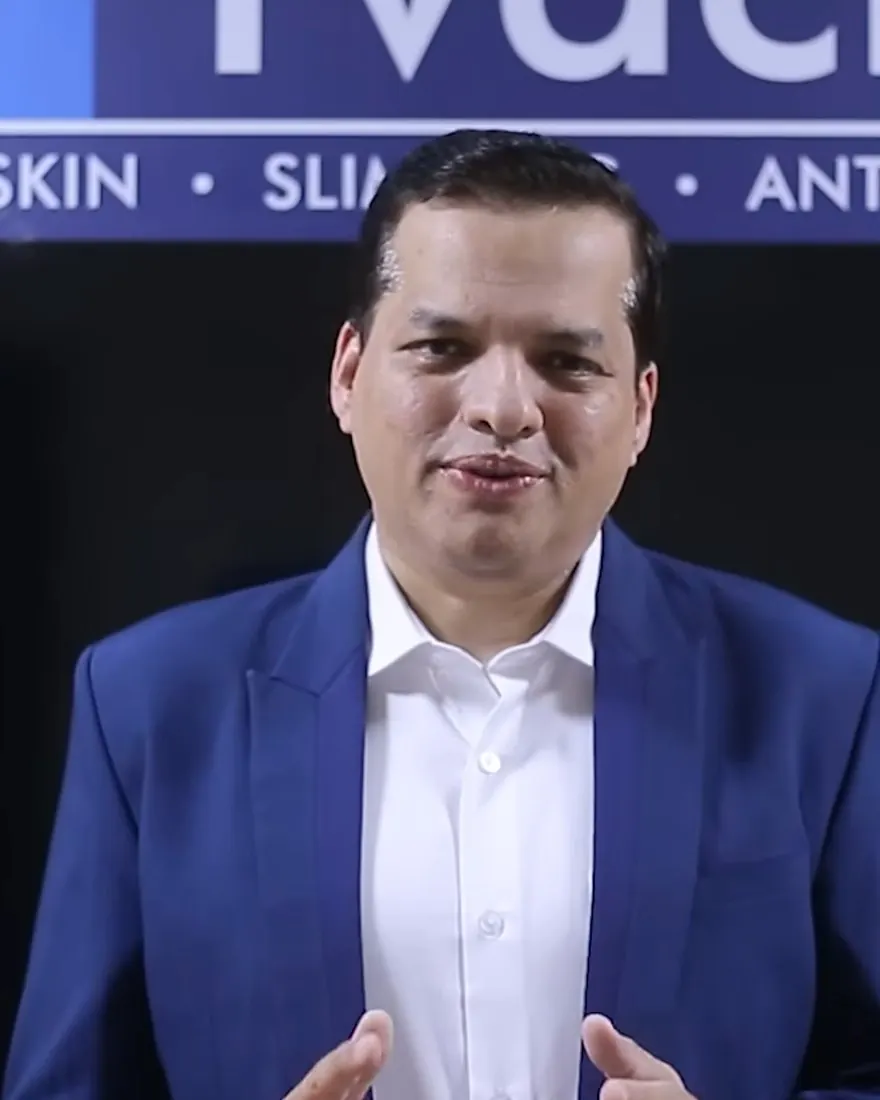
Written by
Dr Amit KarkhanisAesthetic Physician · MBBS, Dip. Dermatology (UK) · Reg. No. 2001/02/1124Founder of Dr Tvacha, practising in Thane since 2005. Leads the weight loss and hair programmes.
Sources
- Choosing who will do your cosmetic procedure, NHS
- Before you have a cosmetic procedure, NHS
- Dermal Fillers (Soft Tissue Fillers), US Food and Drug Administration
- Botulinum toxin, DermNet
This article is for general education and does not replace a consultation. Medicines and treatments are prescribed only after a doctor's assessment. Last reviewed 25 October 2026.