
Key takeaways
- About 101 million Indians have diabetes and 136 million have prediabetes, according to the ICMR-INDIAB study.
- In semaglutide trials, 84% to 89% of people with prediabetes reached normal blood sugar by 68 weeks, compared with 48% to 70% on placebo.
- In SURMOUNT-1, new type 2 diabetes was far less common on tirzepatide (0.4% to 2.0%) than on placebo (13.3%) over about three years.
- Lifestyle change alone, with 5% to 7% weight loss, lowered diabetes incidence by 58% in the US Diabetes Prevention Program.
- If you take insulin or sulfonylurea tablets, your doses may need lowering to avoid low sugar.
Why does weight matter so much for blood sugar in Indians?
In many Indian homes, "sugar" is spoken about as if it were part of the furniture: someone always has it, and everyone expects to get it one day. I don't accept that, and neither should you.
Indians tend to develop type 2 diabetes at lower body weights than many other populations, as the India Obesity Commission's 2025 paper notes. See, what happens is, fat stored around the abdomen and in the liver makes the body resistant to insulin, so the pancreas has to work harder. Over years, it cannot keep up, and sugar rises from normal to prediabetes to diabetes. I explain the "thin outside, fat inside" pattern in belly fat and insulin resistance in Indians.
The scale is large. The ICMR-INDIAB study, published in The Lancet Diabetes & Endocrinology in 2023, estimated diabetes in 11.4% of Indian adults (about 101 million people) and prediabetes in 15.3% (about 136 million). Goa had the highest diabetes prevalence among states at 26.4%, and no region of the country is untouched.
What is prediabetes, and why act on it now?
Prediabetes means your blood sugar is higher than normal but has not reached the diabetes threshold, which is an HbA1c of 6.5% or more. It is a warning stage, not a diagnosis to ignore. Many people with prediabetes progress to type 2 diabetes over the following years, but this is not fixed. Weight loss, activity and, in some people, medicine can push sugar back towards normal.
That is very important to understand: prediabetes is the stage where the pancreas still has reserve. Acting now is easier than reversing diabetes later. In chess terms, this is the position you can still save.
What do the trials show in prediabetes?
| Approach | What it showed |
|---|---|
| Lifestyle change (US Diabetes Prevention Program) | 5% to 7% weight loss with 150+ minutes of activity a week lowered type 2 diabetes incidence by 58%; by 71% in those aged 60 and over |
| Semaglutide 2.4 mg (analysis of three STEP trials) | 84% to 89% of people with prediabetes reached normal sugar at 68 weeks versus 48% to 70% on placebo |
| Tirzepatide (SURMOUNT-1, about 3 years) | New type 2 diabetes in 0.4% to 2.0% on tirzepatide versus 13.3% on placebo |
Two cautions. First, these benefits are seen while treatment continues. Trials in which the medicine was stopped abruptly found that sugar and other markers tended to drift back as weight returned (see what happens when you stop weight loss injections). Second, lifestyle change works and costs little, but many people find it hard to sustain on their own. Medicine and lifestyle are not rivals; they work best together.
What if you already have type 2 diabetes?
GLP-1 medicines were first developed for type 2 diabetes. They help the pancreas release insulin when sugar is high, reduce glucagon (a hormone that raises sugar), slow stomach emptying and reduce appetite. In India, the 2025 revised obesity definition by the India Obesity Commission recommends GLP-1 medicines as first-line drug treatment for people with obesity and type 2 diabetes, especially those with higher BMI, heart disease or fatty liver.
Points specific to diabetes:
- Low sugar risk. On their own, GLP-1 medicines rarely cause hypoglycaemia. With insulin or sulfonylureas (such as glimepiride or gliclazide), the risk rises, and doses often need reducing as treatment starts.
- Eyes. The US prescribing information lists diabetic retinopathy complications as a precaution in people with type 2 diabetes. An eye check before starting is sensible if you have diabetes.
- Kidneys. Vomiting or diarrhoea can cause dehydration, which can affect kidney function, especially if you also take certain blood pressure or diabetes tablets.
- Do not stop suddenly. The NHS advises talking to your doctor before stopping, because blood sugar can rise.
Which tests should you track?
- HbA1c every three months while doses are changing, then less often.
- Fasting and post-meal sugar, especially if you take insulin or sulfonylureas.
- Lipids, liver and kidney function, at baseline and periodically.
- Weight and waist, monthly.
- Eye examination if you have diabetes.
What should your daily plan include?
- Protein-first meals, and smaller portions of rice, roti and poha. See my Indian vegetarian protein guide.
- A 10 to 15 minute walk after meals, which many people find easy to add.
- Strength training two or three times a week, because muscle is where much of your blood sugar goes. See why strength training matters.
- Fewer sweetened drinks. Sweet chai several times a day, packaged juices and colas add up quickly.
- Sleep and stress, both of which affect sugar.
How I approach this at Dr Tvacha
In The Endgame Weight Programme, I review your sugar reports and current diabetes medicines at the Rs 499 video eligibility consult. If GLP-1 treatment is appropriate, the plan accounts for dose changes to your other medicines, regular HbA1c checks and a written taper and maintenance plan, and we keep your diabetologist informed where you have one. Whether to start is your decision, made with all of that in front of you.
Frequently asked questions
Can weight loss medicine reverse prediabetes?
In trials, most people with prediabetes taking semaglutide or tirzepatide reached normal blood sugar while on treatment, compared with fewer on placebo. I prefer to say "returned to normal for now" rather than "reversed". Sugar can rise again if the weight comes back, so long-term habits and monitoring remain essential after any medicine is reduced or stopped.
Can I take a GLP-1 medicine with metformin?
Yes. This combination is common in type 2 diabetes and is generally well tolerated, though both can upset the stomach at first. Metformin alone rarely causes low sugar, and the combination usually does not either. Your doctor will decide the doses and the order of starting them based on your sugar, kidney function and side effects.
Will I be able to stop my diabetes tablets?
Some people with type 2 diabetes who lose a lot of weight are able to reduce or stop some medicines, under medical supervision. This varies widely and depends on how long you have had diabetes, how much your pancreas still produces and how much weight you lose. Please never stop diabetes medicines on your own.
Is lifestyle change enough for prediabetes?
For many people, yes. The US Diabetes Prevention Program found that losing 5% to 7% of body weight with at least 150 minutes of weekly activity lowered diabetes incidence by 58%. Medicine comes into the picture when lifestyle efforts have not been enough, when weight is high, or when other weight-related conditions are present.
Do GLP-1 medicines cause low blood sugar?
On their own, they rarely do, because their effect on insulin depends on blood sugar being high. The risk goes up if you also take insulin or sulfonylurea tablets. Learn the symptoms (shaking, sweating, hunger, confusion), carry glucose if you take these medicines, and tell your doctor about any episodes.
Written by
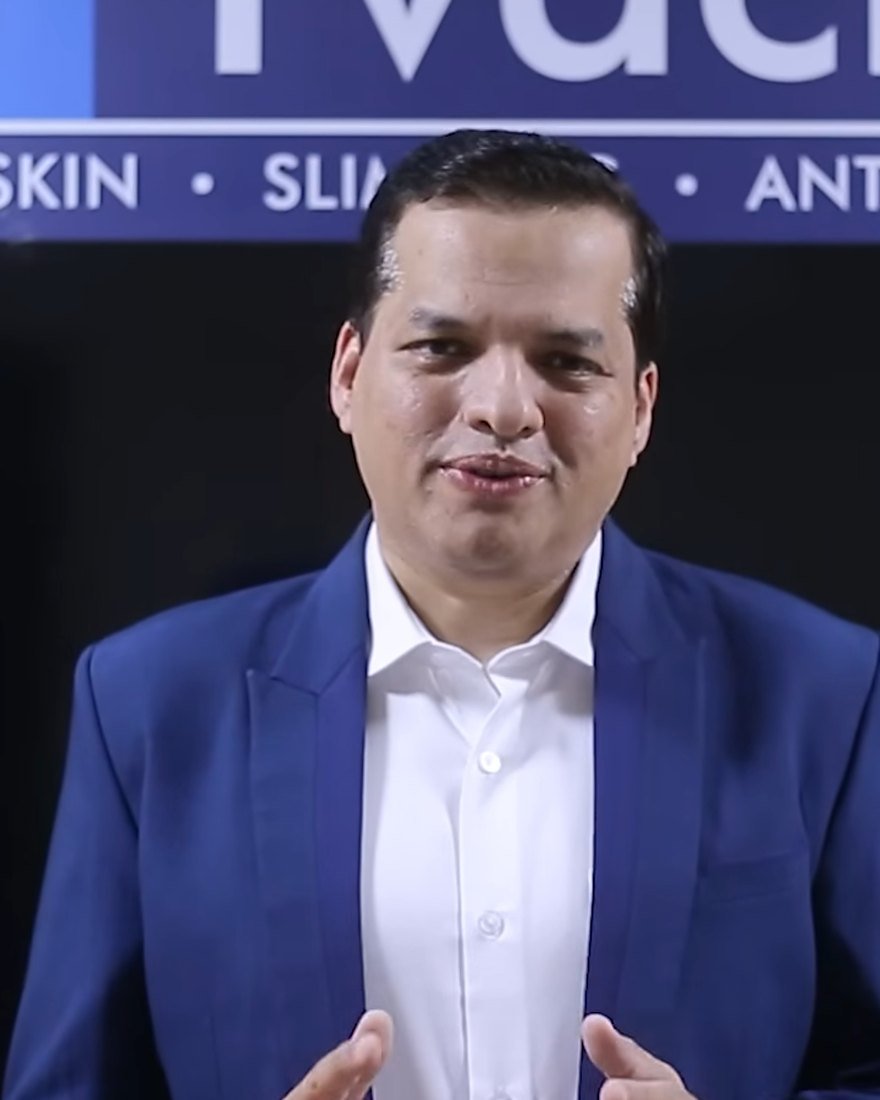
Dr Amit KarkhanisAesthetic Physician · MBBS, Dip. Dermatology (UK) · Reg. No. 2001/02/1124Founder of Dr Tvacha, practising in Thane since 2005. Leads the weight loss and hair programmes.
Sources
- Lessons learnt from the ICMR-INDIAB study (National Medical Journal of India)
- Semaglutide's effect on glycaemia in patients with prediabetes and obesity (Medicine Today, on Perreault et al., Diabetes Care 2022)
- Tirzepatide Once Weekly for the Treatment of Obesity: SURMOUNT-1 (American College of Cardiology)
- Prevent Type 2 Diabetes: Talking to Your Patients About Lifestyle Change (CDC)
- Revised definition of obesity in Asian Indians living in India (Diabetes & Metabolic Syndrome, 2025)
- US FDA prescribing information: semaglutide injection 2.4 mg
This article is for general education and does not replace a consultation. Medicines and treatments are prescribed only after a doctor's assessment. Last reviewed 25 October 2026.