Key takeaways
- The consultation fee is Rs 499, at any of our four centres.
- The order is always Diagnose, Treat, Protect, Maintain.
- Bring every product you use, including creams bought over the counter, and any old prescriptions.
- Tests are suggested only when they will change the plan, and are charged at actual cost.
- You receive the plan and fee in writing before paying for any treatment, with review dates fixed from day one.
Why does the consultation come first?
I learnt chess as a child, and my coaches taught the endgame first. In chess you win if you checkmate the person, so it's about results. I plan skin the same way. Before we choose a treatment, I want to know where you want your skin to be, and what is actually going on now.
Many people come in asking for a specific treatment they saw online. "Doctor, I want a peel." Okay, sure, we can talk about a peel. But first, let me see what is causing the problem. A peel that is right for one kind of pigmentation can make another kind worse. That is very important to understand. Diagnosis is not a formality. It decides everything after it.
What should I bring?
A little preparation makes the consultation far more useful:
- Every product you use on your skin, or clear photos of the labels: face wash, moisturiser, sunscreen, serums, and especially any cream bought from a chemist without a prescription. An Indian multicentre study found that a large share of people with facial skin problems were using steroid creams without proper advice, often as fairness creams, and most had side effects. I need to know if you are one of them.
- Old prescriptions and reports, including blood tests from the last year.
- A list of your medicines and supplements, including hormone treatments, protein powders and anything for thyroid, diabetes or PCOS.
- Photos of the problem at its worst, if it comes and goes.
- Come with a clean face if you can, or we will ask you to remove makeup before the examination.
What happens during the consultation?
| Step | What we do | Why it matters |
|---|---|---|
| History | When it started, what makes it better or worse, family history, previous treatments | Many skin problems are recognised from the story |
| Your goal | What bothers you most, and any timeline such as a wedding | The plan works backwards from here |
| Products and medicines | Go through what you brought | Some problems are caused or worsened by products |
| Examination | A close look at the skin in good light, in a private room | To identify the type of acne, pigment, growth or rash |
| Tests, if needed | Blood tests or other investigations | Only when they will change the plan; at actual cost |
| Explanation | What you have, in plain words, and the options | So you can decide with full information |
| Written plan | Treatment, number of sessions, fees, review dates | Nothing is a surprise later |
Every centre has a private consultation room, so you can be examined comfortably, including on the back, chest or underarms if needed. You can speak in English, Hindi or Marathi.
What does Diagnose, Treat, Protect, Maintain mean?
This is the order of the Second Layer Skin Plan. Our clinic's own line is that the secret of healthy, glowing skin is a healthy second layer of the skin. Basically, it means:
- Diagnose: find the real cause first.
- Treat: use the treatment that matches that cause. Depending on the diagnosis, this may be prescription medicines, chemical peels, laser therapy, acne treatment, laser hair reduction, treatment for under-eye dark circles, PRP, removal of unwanted growths such as skin tags and warts, or medical facials. Many people need only medicines and a routine.
- Protect: sunscreen and habits that stop the problem returning.
- Maintain: a plan for the end, so you know what to continue and when to come back.
Will I be pushed into a treatment?
No. I offer options and let you choose. I will tell you what I would do in your place, and why. Sometimes that answer is "you do not need a procedure, just this routine for three months". Sometimes it is "this is not a skin problem, please get your sugar checked first".
The written plan is there so you can go home, think, and discuss it with your family. The NHS advice for anyone considering a cosmetic procedure is similar: take time to decide, and walk away if you are not completely comfortable. I agree with that. If you want, you can also verify any doctor's registration on the National Medical Commission's Indian Medical Register, which is publicly searchable.
Practical details
- Centres: Thane (1st Floor, Suraj Arcade, Gokhale Road, Thane West), Andheri (Lokhandwala Complex, Andheri West), Bandra (Waterfield Road, Bandra West) and Dahisar (Adiv House, ground floor). Full addresses are on our centres page.
- Hours: Monday to Saturday, 11 am to 8 pm.
- Where I see patients: Thane is my main centre in the mornings. I see patients in Andheri in the evenings.
- Booking: call centre 022 7123 7000, or WhatsApp 97685 56666, which replies within two hours on working days.
- Access: there is a lift at the Bandra and Andheri centres, and the Dahisar centre is on the ground floor.
How we approach this at Dr Tvacha
Everything on this page is the Second Layer Skin Plan in practice: diagnosis first, fees in writing before you pay, review dates fixed on day one, and a plan for maintenance from the start. If you are not sure what to ask, my article on questions to ask before any skin treatment is a good checklist to bring along. For a growth or mole that is changing, please do not wait for a routine appointment; read moles: when to get one checked.
Frequently asked questions
How much does a skin consultation at Dr Tvacha cost?
The skin consultation costs Rs 499 at our Thane, Andheri, Bandra and Dahisar centres. If tests are needed, they are charged at actual cost. Any treatment is quoted in writing after the diagnosis, so you know the full plan and fee before you decide. You are never asked to pay for a treatment before you have seen the written quote.
Do I have to start treatment on the same day?
No. The consultation is for diagnosis and a written plan. You can take that plan home, think about it and discuss it with your family before deciding anything. There is no pressure and no deadline. I prefer that you start only when you are clear about what the treatment involves, how many sessions it needs and what it costs.
What should I bring to my skin consultation?
Bring every product you put on your skin, especially creams bought from a chemist without a prescription, plus old prescriptions, recent blood reports and a list of your medicines and supplements. Photos of the problem at its worst help if it comes and goes. Arriving without makeup, or being ready to remove it, makes the examination easier.
Will I need blood tests?
Only if they will change the plan. For example, a dark velvety neck may need a blood sugar test, hair shedding may need iron, vitamin or thyroid tests, and stubborn hormonal acne in women may need hormone tests. Tests are charged at actual cost. I do not order large test packages just because they are available.
Which languages can I consult in?
You can speak in English, Hindi or Marathi at all our centres. Explaining a skin problem in the language you are most comfortable with often gives a clearer history, and a clearer history leads to a better diagnosis. If a word or a test result is unclear, ask me to explain it again in the language you prefer.
Written by
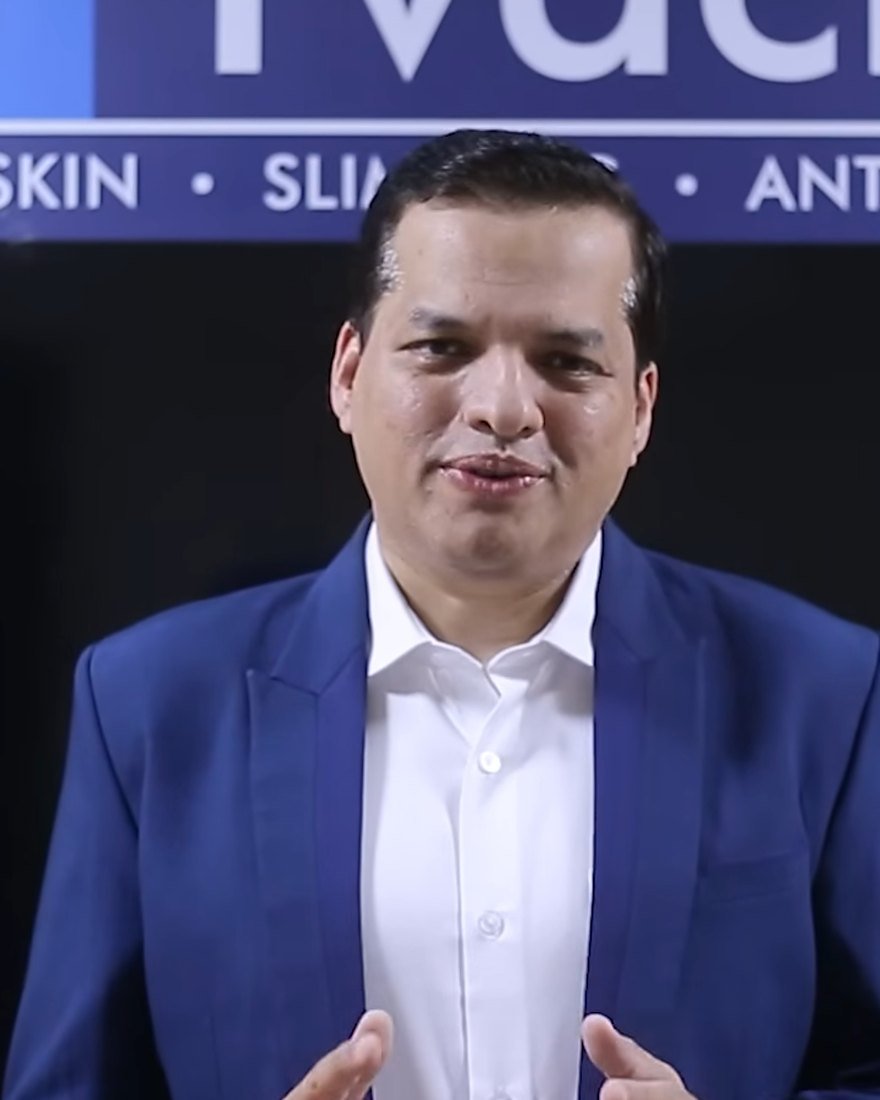
Dr Amit KarkhanisAesthetic Physician · MBBS, Dip. Dermatology (UK) · Reg. No. 2001/02/1124Founder of Dr Tvacha, practising in Thane since 2005. Leads the weight loss and hair programmes.
Sources
- Topical corticosteroid abuse on the face: a prospective, multicenter study of dermatology outpatients (Indian J Dermatol Venereol Leprol)
- Before you have a cosmetic procedure (NHS)
- Indian Medical Register (National Medical Commission)
- Acanthosis nigricans (NHS)
This article is for general education and does not replace a consultation. Medicines and treatments are prescribed only after a doctor's assessment. Last reviewed 25 October 2026.