
Key takeaways
- Jawline, chin and lower-face pimples that worsen before your period are the typical pattern.
- Many women with hormonal acne have normal hormone reports. The skin is reacting to normal hormones.
- Irregular periods, new facial hair, scalp thinning or weight gain are reasons to check for PCOS.
- Prescription options include the combined pill and spironolactone, chosen after a proper medical assessment.
- Hormonal treatments take around three months to show their effect, so patience is part of the plan.
What does hormonal acne look like?
Normally the pattern tells me a lot before I even look at reports. A woman in her 20s or 30s, often with little acne as a teenager, now gets deep, sore bumps along the jaw, chin, around the mouth and sometimes the neck and behind the ears. They come up in the week before her period, settle a little, and come back next month.
A Dermatology Times report describing adult hormonal acne makes the same point: it differs from teenage acne, which is usually blackheads on the nose and forehead, and it often sits on the lower face, jawline and chin, with premenstrual flares.
| Feature | Teenage-type acne | Hormonal adult acne |
|---|---|---|
| Main area | Forehead, nose, T-zone | Jawline, chin, around mouth, neck |
| Type of spots | Blackheads, whiteheads, small pimples | Deep, tender bumps that linger |
| Timing | Fairly constant | Worse before periods |
| Other clues | Oily skin | Sometimes irregular periods or extra facial hair |
Why does it happen if my hormone tests are normal?
That is very important to understand. Hormonal acne does not always mean abnormal hormones.
See, what happens is, the oil glands in some women are more sensitive to androgens, the so-called "male" hormones that every woman makes in small amounts. Normal levels are enough to push those glands to produce more oil, especially around the cycle. So a woman can have textbook reports and still have very hormonal-looking acne. The Dermatology Times report notes that hormone tests in these women usually fall in the normal range.
This is why I do not order a big package of tests for everyone. I order tests when the history suggests something more.
Could my jawline acne be PCOS?
It could, and it is worth asking. The NHS lists polycystic ovary syndrome as one of the conditions that can trigger acne. I look for:
- Periods that are irregular, far apart or missing
- New or increasing hair on the chin, upper lip or jaw
- Thinning hair on the top of the scalp
- Weight gain around the waist, or dark velvety skin on the neck
- Difficulty conceiving
If you have these, I will suggest the relevant blood tests and, where needed, a pelvic sonography, and I may involve a gynaecologist. In our Thane building, Dr Anagha Karkhanis, a gynaecologist, consults at Cocoon × Dr Tvacha one floor above our centre, which makes that easy when it is needed.
If unwanted facial hair is part of your concern, read facial hair, PCOS and laser.
What treatments work for hormonal acne?
I build the plan in layers. Basically, the creams handle the pores, and hormonal tablets, if needed, handle the oil glands.
Layer 1: Standard acne treatment for the skin - A topical retinoid such as adapalene or tretinoin at night - Benzoyl peroxide or a topical antibiotic combination, as prescribed - A gentle cleanser, a non-comedogenic moisturiser and sunscreen
Layer 2: Hormonal treatment, when suitable A 2017 review in the International Journal of Women's Dermatology, which looked at 36 studies, concluded that combined oral contraceptives and spironolactone are safe and effective options for adult women with acne, alone or alongside other treatment. - Combined oral contraceptive pill. Reduces the effect of androgens on the skin. It carries a raised risk of blood clots, so your history, smoking, migraine, blood pressure and family history must be assessed first. - Spironolactone. A tablet that blocks androgen effects on oil glands. It is not used in pregnancy, so reliable contraception is needed, and it needs medical review.
Layer 3: For severe or scarring acne Isotretinoin may be considered when acne is severe, scarring or keeps returning. It needs blood tests and strict pregnancy avoidance.
All of these are prescription decisions made after an assessment. Please do not start a hormonal pill because a friend's acne improved on it.
How long does hormonal acne treatment take?
Hormonal tablets work slowly. Normally I ask women to give them about three months before judging. The creams also take two to three months. I fix the review dates on the first day so you know when we will decide whether to continue, change or add something.
What I would say plainly: hormonal acne is often a long-term tendency. It can be controlled, and many women do well, but it can return when treatment stops, after pregnancy, or around perimenopause. I plan the maintenance from the start.
What can I do at home to help?
- Do not pick the jawline bumps. They are deep, and picking leaves dark marks that last months in Indian skin. My article on dark marks after pimples explains why.
- Watch what touches your jaw. Phone screens, dupatta edges, helmet straps and masks rub and trap sweat.
- Keep your routine simple. Too many active serums at once irritates the skin and makes it harder to tell what is working.
- Track your cycle against your breakouts for two months. It helps me decide whether hormones are the main driver.
- Use sunscreen every day. Marks darken with sun.
How we approach this at Dr Tvacha
When a woman comes to me with jawline acne, I spend the first consultation on the pattern, her cycle, her products and her medical history, then decide which tests are actually needed. The Rs 499 skin consultation is available at Thane, Andheri, Bandra and Dahisar, tests are at actual cost, and the plan and fees are written down before you pay. You can read about the Second Layer Skin Plan or see our centres. For acne in general, see why adults still get acne.
Frequently asked questions
Does hormonal acne mean I have PCOS?
Not necessarily. Many women with jawline acne have regular periods and normal reports; their oil glands are simply sensitive to normal hormone levels. PCOS is more likely if you also have irregular periods, new facial hair, scalp thinning or weight gain around the waist. In that case I suggest targeted tests rather than guessing, and a gynaecologist may be involved.
Will the contraceptive pill clear my acne?
For many women the combined pill reduces hormonal acne, and reviews show it lowers acne lesion counts compared with placebo. It is not suitable for everyone because it raises the risk of blood clots, so your medical history must be checked first. It takes about three months to show its effect. It is a prescription decision made with your doctor, not a quick fix.
Can I take spironolactone if I want to get pregnant?
Spironolactone is not used during pregnancy, so it is not the right choice while you are trying to conceive. Women who take it need reliable contraception and regular review. If you are planning a pregnancy, tell me early, and we will choose acne treatments that are considered suitable for that phase of your life instead.
Why does my acne get worse before my period?
In the days before a period, hormone balance shifts, and androgen effects on the oil glands become relatively stronger. The skin makes more oil, pores block more easily and inflammation rises. That is why hormonal acne follows a monthly pattern. Tracking breakouts against your cycle for a couple of months helps confirm this pattern.
Does diet cause hormonal acne?
Diet is not the main cause, but some foods may worsen acne in some people. The evidence for high-sugar foods and dairy is still being studied. I do not put women on strict elimination diets as a first step. I treat the acne properly and, if you notice a clear link with a particular food, it is reasonable to cut down and observe.
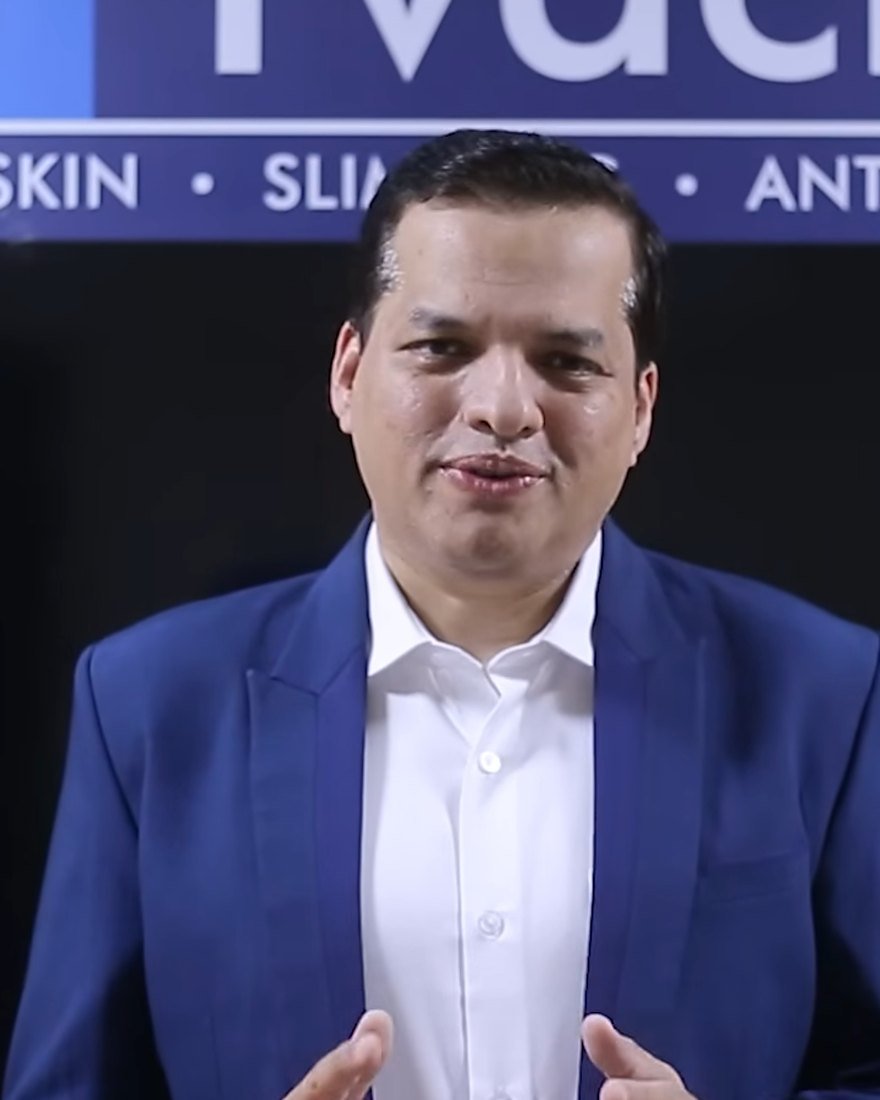
Written by
Dr Amit KarkhanisAesthetic Physician · MBBS, Dip. Dermatology (UK) · Reg. No. 2001/02/1124Founder of Dr Tvacha, practising in Thane since 2005. Leads the weight loss and hair programmes.
Sources
- A review of hormone-based therapies to treat adult acne vulgaris in women (International Journal of Women's Dermatology, 2017)
- Gaining control: Birth control pills, spironolactone first-line treatments for hormonal acne (Dermatology Times)
- Adult acne (American Academy of Dermatology)
- Acne (NHS)
- Acne: Who gets and causes (American Academy of Dermatology)
This article is for general education and does not replace a consultation. Medicines and treatments are prescribed only after a doctor's assessment. Last reviewed 25 October 2026.