Key takeaways
- A hair transplant is surgery. In India, the National Medical Commission advises that it be performed by registered doctors with formal surgical training.
- Ask by name who will design the hairline, make the incisions and extract the grafts.
- Donor hair is limited. A good plan protects it for future needs.
- A transplant does not stop pattern hair loss in your existing hair, so ask about the plan for that too.
- Get the surgeon's name, the plan and the full cost in writing before you pay.
Why do these questions matter in India?
People sometimes feel shy asking a doctor too many questions. Please don't be. This is surgery on your head that you will live with for decades.
Hair transplants are now widely available, from hospitals to standalone clinics. Most patients choose carefully, but the procedure has also been offered in settings that are not equipped for surgery. In 2022 the Delhi High Court, hearing a case about a hair transplant performed at a salon, observed that the procedure needs to be performed by qualified dermatologists or trained surgeons with informed consent, and that technicians cannot perform it except under the supervision of a trained surgeon or dermatologist.
The National Medical Commission's September 2022 guidelines say hair transplants should preferably be performed by surgeons with formal surgical training, such as MCh or DNB in plastic surgery, or MD or DNB in dermatology with adequate dermatosurgical training, and that the practitioner should have adequate infrastructure and staff to manage complications. In 2026, the Tamil Nadu Medical Council reiterated that only registered medical practitioners with recognised qualifications may perform these procedures.
So these questions are not about suspicion. They are about making an informed choice.
Who will actually be doing my surgery?
1. Who will perform my surgery, by name? Ask for the surgeon's full name and medical registration number. You can check registration with the state medical council or the National Medical Commission.
2. What is the surgeon's qualification and training in hair transplantation? Look for formal surgical training in plastic surgery or dermatology with dermatosurgery training, in line with the NMC guidelines, plus specific hair restoration experience.
3. Which steps will the surgeon do personally, and which will the team do? The International Society of Hair Restoration Surgery (ISHRS) states that diagnosis, surgical planning, hairline design, donor harvesting and recipient site creation are physician tasks, and that a licensed doctor should make all surgical incisions or excisions. Ask who does each.
4. Will the surgeon be present throughout the procedure? A transplant can take most of a day. Ask who is in charge if a medical issue comes up during that time.
Do I even need a transplant yet?
5. Is my hair loss suitable for a transplant at all? The NHS notes transplants are usually suitable for hereditary baldness, not for conditions such as alopecia areata. Patchy loss, scarring conditions or untreated shedding need a different approach.
6. Should I try treatment first? If your loss is recent or active, the honest answer is often yes. See, a transplant without saving existing hair is a bad idea. Read hair transplant or treatment first.
7. What is the plan for the hair I still have? A transplant does not stop the thinning of the surrounding hair. The NHS notes hair may continue to thin around the transplanted area, so the result should be planned to look natural over time. Ask what medicines or treatment you will need afterwards.
What should I ask about the surgery itself?
8. Which technique do you recommend for me, FUE or FUT, and why? Each has trade-offs in scarring, graft numbers and suitability. The NHS suggests asking which type is recommended and why. See FUE vs FUT.
9. How many grafts do I need, and how many can my donor area safely give, now and in the future? Donor hair is limited. An ISHRS article notes that only part of the donor area is considered reliably "safe" over a lifetime. Overharvesting can leave the back of the scalp thin, and that cannot be undone.
10. What will my new hairline look like at 50, not just next year? This is my favourite question, because it forces everyone to think about the endgame. A hairline that suits you at 25 may look unnatural later if loss continues behind it. Ask to see the planned design drawn on your scalp before agreeing.
11. What kind of anaesthesia is used, and who monitors me? Most transplants are done under local anaesthesia, sometimes with sedation. The ISHRS stresses that correct anaesthetic dosing and medical monitoring are critical. Mention every medicine you take and any heart, blood pressure, diabetes or bleeding problem.
12. Where will the surgery take place, and is it equipped for complications? The NMC guidelines emphasise adequate infrastructure to manage complications. Ask whether the facility is registered and what emergency arrangements exist.
What about results, costs and aftercare?
13. What results are realistic, and when? The NHS notes transplanted hair often falls out within a few weeks, new hair usually appears at about four months, and full results take ten to eighteen months. Ask what density you can realistically expect. Be wary of "scarless" surgery. The ISHRS notes any incision beyond the most superficial leaves a scar.
14. What exactly does the written quote include? Ask whether it covers the consultation, the surgery, medicines, aftercare visits, any touch-up session and the medical treatment you will need for existing hair. A price per graft alone can mislead you if the graft numbers change on the day.
15. What follow-up will I have, and what happens if something goes wrong? Ask who you contact after hours, how many review visits are included, and how infection, poor growth or other complications are handled. The NHS lists bleeding, infection and grafts not taking among the risks.
A simple checklist to take with you
| Before you pay, you should have | Yes / No |
|---|---|
| Surgeon's name and registration number in writing | |
| Clear explanation of who performs each step | |
| Diagnosis confirming you are a suitable candidate | |
| Plan for existing hair, including medicines | |
| Technique recommended, with reasons | |
| Graft estimate and donor-area plan | |
| Hairline design discussed and shown | |
| Facility and emergency arrangements | |
| Full written quote, including aftercare | |
| Follow-up schedule and contact details |
If any clinic is reluctant to answer these, it is perfectly reasonable to take more time before deciding. That is your call, and a good doctor will respect it.
How we approach this at Dr Tvacha
With me, a transplant is never the first conversation. It starts with a Rs 499 hair diagnosis at our Thane, Andheri, Bandra or Dahisar centre, to check whether your hair can be saved with treatment. If a transplant is appropriate, it is quoted in writing after diagnosis, and the qualified surgeon who will perform it is named in writing before any surgery. You are welcome to bring this list and ask every question on it. See our hair page.
Frequently asked questions
How do I check if a hair transplant surgeon is qualified in India?
Ask for the surgeon's full name, qualification and medical registration number. You can verify registration through the relevant state medical council or the National Medical Commission's records. The NMC's 2022 guidelines say hair transplants should preferably be performed by surgeons with formal training in plastic surgery or dermatology with dermatosurgery training. Ask specifically about hair restoration experience too.
Is it safe to get a hair transplant done by a technician?
The surgical steps should be done by a qualified doctor. The Delhi High Court observed in 2022 that technicians cannot perform hair transplants except under the supervision of a trained surgeon or dermatologist, and the ISHRS recommends a licensed doctor make all incisions and excisions. Trained assistants often help with tasks like preparing grafts, under supervision. Ask clearly who does what.
Why do hair transplant prices vary so much?
Prices depend on graft numbers, technique, the surgeon's time and experience, the facility, the team and what aftercare is included. A low price per graft may leave out medicines, follow-ups or the surgeon's personal involvement. Basically, compare what is included, not the headline figure, and make sure the quote and the surgeon's name are in writing.
How many grafts will I need?
It depends on the size of the area, your hair thickness and colour, the density you want and, most importantly, how many grafts your donor area can safely give. One ISHRS article mentions 25 grafts per square centimetre in a first session as a reasonable target, with lower density still able to look good. Be cautious of big numbers quoted without a donor assessment.
Can I ask for a second opinion?
Yes, and I think it is sensible for any surgery. Take your diagnosis, photos and written plan to another qualified doctor. A good clinic will not be offended. A second opinion is especially worthwhile if you are young, your loss is still active, or you have been advised a very large number of grafts.
Written by
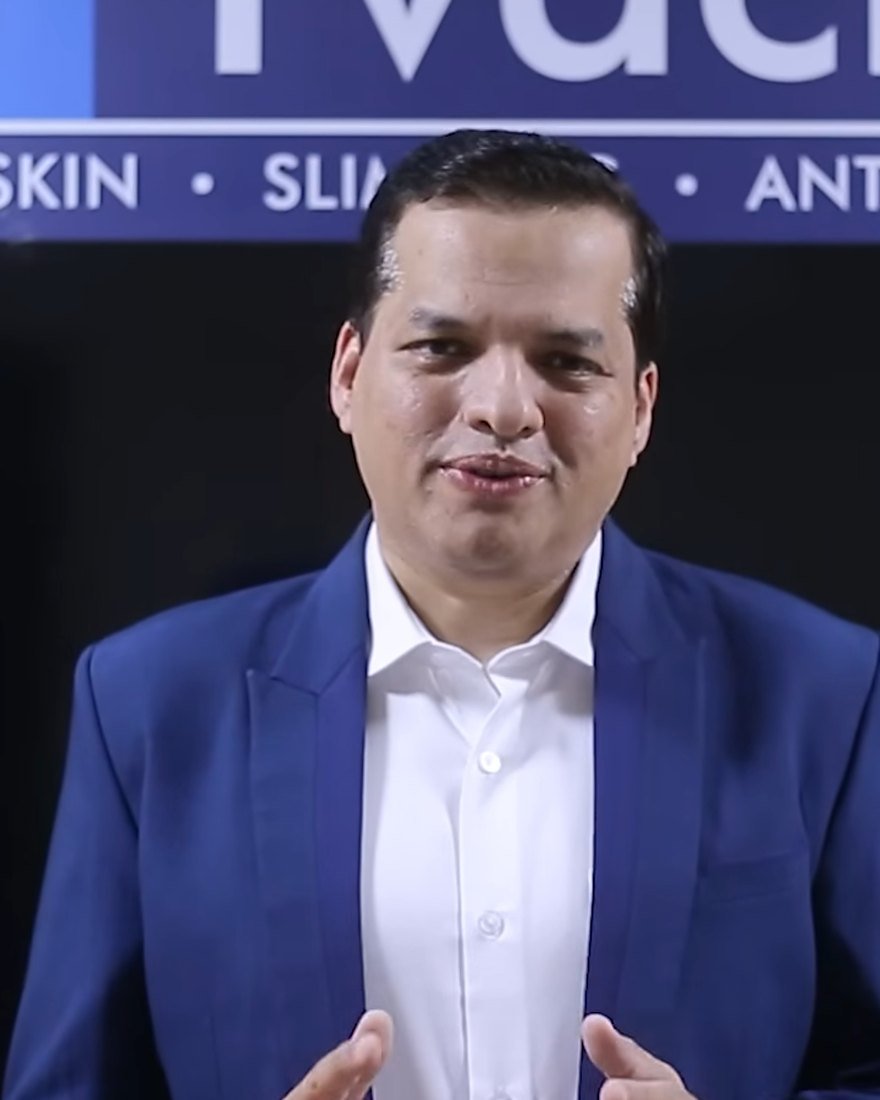
Dr Amit KarkhanisAesthetic Physician · MBBS, Dip. Dermatology (UK) · Reg. No. 2001/02/1124Founder of Dr Tvacha, practising in Thane since 2005. Leads the weight loss and hair programmes.
Sources
- Hair transplant (NHS)
- Consumer alert (International Society of Hair Restoration Surgery)
- FUE vs. FUT and maximizing the hair graft harvest (ISHRS)
- NMC guidelines on aesthetic surgery and hair transplant procedures (Medical Dialogues)
- Delhi High Court on medical protocols for hair transplant procedures (LiveLaw)
- Only registered doctors can perform hair transplantation and aesthetic procedures: TN Medical Council (Medical Dialogues)
This article is for general education and does not replace a consultation. Medicines and treatments are prescribed only after a doctor's assessment. Last reviewed 25 October 2026.