
Key takeaways
- In the 50s and beyond, the face changes at every layer: skin, fat, muscle support and even bone.
- After menopause, skin collagen falls steadily, so skin becomes thinner and drier.
- Non-surgical treatments work best for mild to moderate changes. They cannot match surgery for significant sagging.
- Smaller, well-placed treatments usually look more natural than trying to erase every line.
- Health comes first: blood thinners, diabetes and blood pressure all affect which treatments are safe for you.
What changes in the face after 50?
Patients in their fifties and sixties often say, "Doctor, I don't want to look young. I just don't want to look tired and old." That is a very sensible goal, and it is the one I work towards.
See, what happens is, by this stage the changes are happening in every layer at once: - Skin: thinner, drier, more fragile, with more sun spots and fine crinkling. - Fat: the fat pads shrink and slide down, so the cheeks flatten and the jowls and folds around the mouth deepen. - Support: the tissues that hold the face loosen. The jawline and neck soften. - Bone: the facial skeleton itself changes slowly with age, which reduces support for the soft tissues.
That is very important to understand, because it explains why one treatment rarely does the job, and why some changes need surgery.
How does menopause affect the skin?
For women, menopause speeds up some of these changes. A study published in the British Journal of Obstetrics and Gynaecology in 1987 found that skin collagen content fell steadily with the years since menopause. Women often notice that the skin becomes drier, thinner, less elastic and slower to heal.
If menopause symptoms are affecting your sleep, mood or daily life, that deserves proper medical care in its own right. Hormone therapy is a decision for a gynaecologist after a full assessment, not a skin treatment. At our Thane centre, Dr Anagha Karkhanis sees women for midlife care. My article on menopause and your skin explains more.
Does skincare still matter at this age?
Yes. It is never too late for the basics. - Daily sunscreen. A randomised trial of adults under 55 found daily sunscreen users showed no detectable increase in skin ageing over four and a half years. Sun spots and fragile skin keep getting worse without protection. - A retinoid, if your skin tolerates it. Mature skin can be more sensitive, so start slowly and use a richer moisturiser. - A rich moisturiser, morning and night. Dry skin exaggerates every line. - Gentle cleansing. No harsh scrubs on thinner skin. - Spots that change should be checked by a doctor. New or changing marks become more important with age.
What can non-surgical treatments do after 50?
Quite a lot, for the right concerns. And less than advertisements suggest, for others.
| Concern | Non-surgical option | What to expect honestly |
|---|---|---|
| Lines at rest (frown, forehead, crow's feet) | Anti-wrinkle injections | Softening; deeply etched lines may not disappear |
| Flat cheeks, hollows, deep folds | Hyaluronic acid fillers | Restores some support; too much looks heavy |
| Mild to moderate laxity | HIFU, radio frequency, Intragen | Moderate tightening; limited for heavy jowls or neck |
| Sun spots, rough texture | Laser therapy, peels, RecoSMA | Clearer, smoother skin; needs sunscreen to last |
| Thin, dull skin | Retinoids, PRP, skin boosters | Subtle skin-quality changes |
| Ageing hands | Laser for spots, filler for volume | See ageing hands |
A few honest cautions for this age group: - Fillers: in a face with significant sagging, adding volume to lift can make the face look heavy or puffy. I use smaller amounts for support. The FDA lists the most serious risk of fillers as accidental injection into a blood vessel, which is uncommon but can cause tissue damage or vision problems. Experience matters. - Tightening devices: they suit mild to moderate laxity. If the skin is very loose, they will disappoint you. - Healing: thinner skin bruises more easily, and medicines such as blood thinners raise that risk. Tell me everything you take.
When is a facelift the better answer?
Here's the truth. If you have significant jowls and loose neck skin, no machine or injection will lift it the way surgery can. The American Society of Plastic Surgeons says minimally invasive treatments cannot match the results of a facelift, though they may help delay it or complement it.
Surgery has its own limits. The Mayo Clinic notes that a facelift does not address fine lines, sun damage or skin colour, and that the results are not lifelong; the face keeps ageing. Surgery is a decision for a qualified plastic surgeon. I'm happy to tell you honestly if I think you have reached that point. My article on non-surgical treatments vs a facelift compares them in detail.
How do I keep it natural?
Basically, by aiming for "rested, not different". At this age, the faces that look odd are usually the ones where someone tried to remove every sign of age. The ones that look good are healthy skin, soft lines, and support in the right places.
What I do: - Prioritise skin quality: spots, texture, hydration. It makes a big difference at this age. - Use smaller amounts of filler for support, not to chase every fold. - Keep some movement. A face with no expression looks older, not younger. - Plan a calendar over years rather than a large session.
How I approach anti-ageing after 50 at Dr Tvacha
At a face assessment, I look at each layer of your face, ask about your health and medicines, and tell you clearly what non-surgical treatments can do for you and what they cannot. If surgery would serve you better, I say so. If we go ahead, the plan, product, dose and fee are written down before you pay. You can read about the Long Game Anti-ageing Plan or find our centres in Thane and Mumbai.
Frequently asked questions
Is it too late for anti-ageing treatment at 60?
No. Sunscreen, moisturiser and a gentle retinoid help at any age. Treatments such as lasers for spots, injections for lines and small amounts of filler can make a face look more rested in the sixties and beyond. What changes is the goal: healthier, fresher skin rather than a younger face. Your general health and medicines matter more now, so a careful assessment comes first.
Can fillers lift sagging skin after 50?
Fillers restore volume, and placing a little support in the right areas can soften folds and make the face look less tired. They do not tighten loose skin, and using large amounts to lift sagging can make the face look heavy. For significant jowls or loose neck skin, surgery is the honest answer. I tell people this before we start.
Is HIFU or radio frequency worth it after 50?
For mild to moderate laxity, they can give moderate tightening. For significant sagging, the result is often disappointing. It depends on your skin thickness and how loose it is. I would rather assess you and tell you honestly if the result is likely to be worth the cost, or whether another option, including surgery, would serve you better.
Does menopause make skin age faster?
Menopause speeds up some skin changes. Research shows skin collagen falls steadily in the years after menopause, and many women notice drier, thinner, less elastic skin. Sunscreen and a good moisturiser help. Hormone therapy is a medical decision made by a gynaecologist for menopause symptoms after a full assessment, not a skin treatment in itself.
Do I need a facelift or can I manage without one?
Many people never need one. If your main concerns are lines, spots, skin quality or mild volume loss, non-surgical treatments can help a lot. If heavy jowls and loose neck skin bother you most, non-surgical options will have limited effect, and a consultation with a qualified plastic surgeon is worth having. It is your decision. I'll tell you honestly what I see.
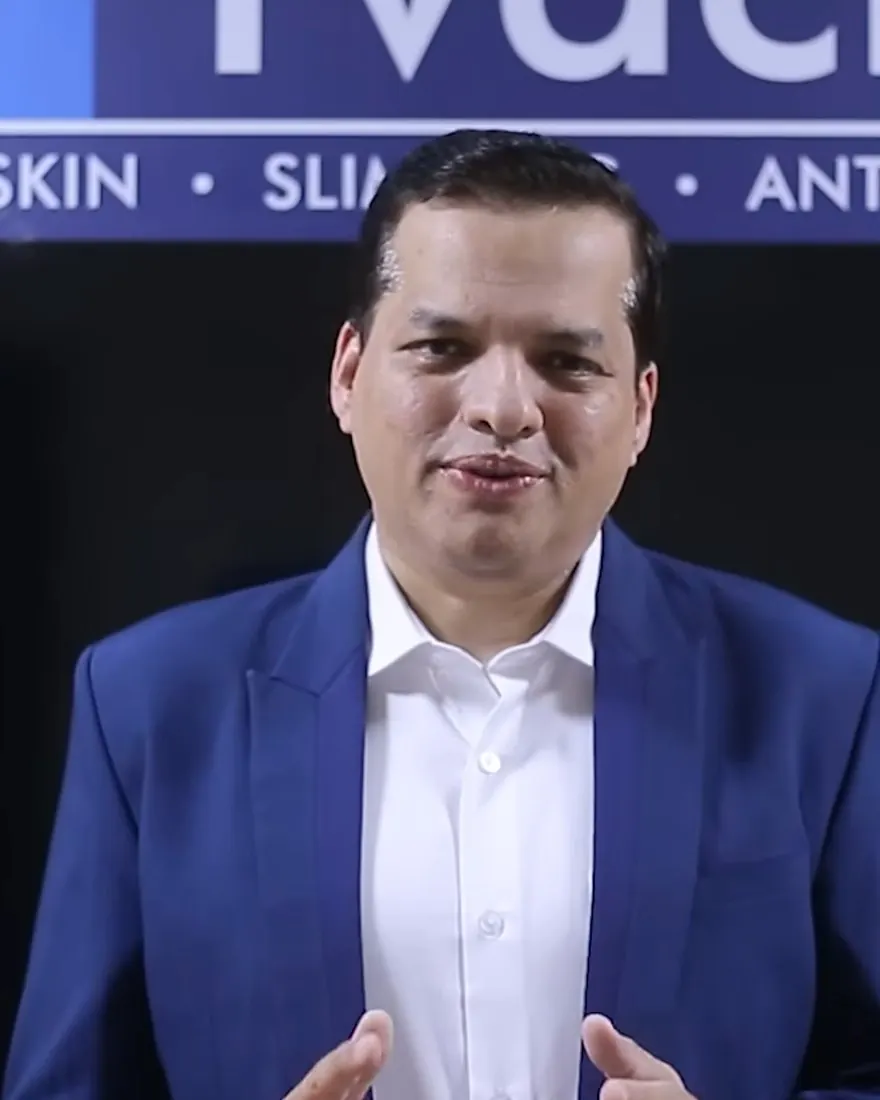
Written by
Dr Amit KarkhanisAesthetic Physician · MBBS, Dip. Dermatology (UK) · Reg. No. 2001/02/1124Founder of Dr Tvacha, practising in Thane since 2005. Leads the weight loss and hair programmes.
Sources
- Decline in skin collagen content and metacarpal index after the menopause and its prevention with sex hormone replacement, British Journal of Obstetrics and Gynaecology, 1987
- Face-lift: About, Mayo Clinic
- Facelift, American Society of Plastic Surgeons
- Sunscreen and prevention of skin aging: a randomized trial, Annals of Internal Medicine, 2013
- Dermal Fillers (Soft Tissue Fillers), US Food and Drug Administration
This article is for general education and does not replace a consultation. Medicines and treatments are prescribed only after a doctor's assessment. Last reviewed 25 October 2026.