
Key takeaways
- The NHS calls menopause before 45 "early". Before 40, doctors use the term premature ovarian insufficiency.
- POI is diagnosed when periods have stopped or become infrequent for over four months and FSH is raised on two tests four to six weeks apart, according to the British Menopause Society.
- The NHS stresses that it is important to replace missing hormones if menopause starts before 45, to protect bones and heart.
- In POI, the ovaries can still work occasionally, so pregnancy is possible though unlikely. Hormone therapy is not a contraceptive.
- Fertility options exist, with donor eggs being the most effective once POI is established.
What counts as early?
In data cited by the Indian Menopause Society, the average age of natural menopause in Indian women is about 46.7 years, a few years earlier than in many Western countries. So we need to be very clear about what is early and what is not.
| Term | Age when periods stop | What it means |
|---|---|---|
| Premature ovarian insufficiency (POI) | Before 40 | The ovaries stop working normally well before the expected age. Activity can come and go |
| Early menopause | 40 to 45 | Menopause earlier than expected; still needs hormone replacement in most women |
| Usual menopause | After 45 | The expected range |
The word "insufficiency" is chosen on purpose for women under 40. I explain it like a tube light that is flickering, not one that has been switched off. The ovaries have not always fully stopped. Some women have occasional periods, and a small number conceive naturally.
What causes it?
Often no single cause is found, and I always tell women: it's not their fault. Known causes and risk factors include:
- Surgery to remove both ovaries, sometimes along with a hysterectomy (see menopause after a hysterectomy)
- Chemotherapy or pelvic radiotherapy
- Autoimmune conditions, where the immune system affects the ovaries, sometimes alongside thyroid disease
- Genetic conditions, such as changes in the X chromosome
- Family history of early menopause
- Smoking and being underweight, which the NHS lists as risk factors
- Certain hormone medicines used for other conditions
If you are under 40, your specialist may suggest tests for genetic and autoimmune causes. This matters not only for you, but sometimes for your sisters and daughters too.
How is it diagnosed?
For women under 40, the British Menopause Society describes the diagnosis as:
- Periods that have stopped or become infrequent for more than four months, and
- A raised FSH level (above 40 IU/L) on at least two blood tests taken four to six weeks apart
NICE guidance also says POI should not be diagnosed on a single blood test, and that AMH (a hormone often used to estimate egg reserve) should not be used routinely. NICE suggests that FSH testing may be considered for women aged 40 to 45 with menopausal symptoms, including a change in their cycle.
Other tests may include thyroid function, prolactin, a pregnancy test, and a pelvic ultrasound. A baseline DEXA bone scan is often recommended at diagnosis.
See, I'll tell you why I take this so seriously. In my years of fertility work, I have seen how a diagnosis of POI can land like a shock, often on a woman in her 30s who was planning a family. It deserves time, clear explanation and support. Not a quick prescription and a "come back in six months".
Why does hormone replacement matter so much here?
After a natural menopause at 51, treatment is mainly about symptoms. With POI or early menopause, it is also about protecting your long-term health. You are not adding something extra. You are giving back what your body would normally still be making at your age.
The British Menopause Society notes that women with POI have a higher risk of heart disease, osteoporosis and cognitive problems, and that hormone replacement is likely to reduce these risks. The NHS says it is important to replace missing hormones if menopause starts before 45.
How long? NICE and the British Menopause Society advise continuing until at least the natural age of menopause, unless there is a medical reason not to. After that, the decision is reviewed like any other woman's.
Which treatment? The options include hormone replacement therapy or the combined contraceptive pill. The British Menopause Society notes that hormone therapy may be more beneficial for bone and heart markers, and that skin patches or gels are unlikely to increase clot risk, so they are often considered for women at higher risk. Estradiol and micronised progesterone are common choices, but the type, dose and route are prescription decisions made after assessment.
Is breast cancer a worry? The British Menopause Society notes that observational data suggest hormone therapy does not appear to increase breast cancer risk in women with POI under 50, because you are replacing hormones you would normally have. Women who have had breast cancer need a different plan with their oncologist.
Can I still have a baby?
This is very often the first question, and it deserves an honest answer.
- The British Menopause Society estimates the chance of natural conception after POI diagnosis at about 5 to 10%, because the ovaries can work intermittently.
- IVF using your own eggs is unlikely to succeed once POI is established.
- Egg donation is the most effective fertility option.
- For women at risk who have not yet lost ovarian function, such as before chemotherapy or with a strong family history, egg or embryo freezing may be considered.
If you do not want to conceive, use contraception. NICE is clear that hormone replacement therapy is not a contraceptive. The combined pill provides both hormone replacement and contraception in suitable women.
What else should I do?
- Bones: calcium-rich foods (milk, curd, paneer, ragi, til), vitamin D checked and corrected, and regular strength training. See bone health after 40.
- Heart: yearly blood pressure, sugar and cholesterol checks. See menopause and heart health.
- Mind: an early menopause can bring grief, anxiety or a feeling of losing your identity. The NHS notes possible effects on mental health. Talking to a counsellor helps, and so does bringing your partner into the conversation.
- Stop smoking.
- Review yearly with your doctor.
How I approach this at Dr Tvacha
At Cocoon × Dr Tvacha in Thane West, I bring my background in fertility and hormones to women with early menopause and POI. Within The Right Stop Programme, I take a detailed history, order only the tests needed (including DEXA where indicated), explain every option, and fix review dates from day one. Partners are welcome in the consultation.
Frequently asked questions
Is menopause at 42 normal?
It is earlier than usual. Menopause before 45 is called early menopause, according to the NHS. It is not rare, but it matters, because it means more years without estrogen, which raises the risk of osteoporosis and heart disease. The NHS advises replacing missing hormones in women who reach menopause before 45, unless there is a medical reason not to.
What is the difference between POI and early menopause?
Premature ovarian insufficiency is when the ovaries stop working normally before 40. Early menopause is when periods stop between 40 and 45. In POI, the ovaries may still work now and then, so periods can return and natural pregnancy, though unlikely, is possible. Both usually need hormone replacement until at least the natural age of menopause.
How is premature ovarian insufficiency diagnosed?
In women under 40, POI is diagnosed when periods have stopped or become infrequent for more than four months and FSH is raised (above 40 IU/L) on two blood tests taken four to six weeks apart, according to the British Menopause Society. NICE advises against diagnosing it from a single test. I also check thyroid, prolactin and other causes.
Can I get pregnant with POI?
It is possible but unlikely. The British Menopause Society estimates natural conception at about 5 to 10% after diagnosis, because the ovaries can work intermittently. IVF with your own eggs rarely succeeds once POI is established, and donor eggs are the most effective option. If you do not want a pregnancy, use contraception, because hormone therapy does not prevent it.
How long should I take hormones if I had early menopause?
NICE and the British Menopause Society advise continuing hormone replacement until at least the average natural age of menopause, unless there is a medical reason not to. This replaces hormones your body would normally have made and protects your bones and heart. After that age, I review with you whether to continue, based on your symptoms and risks.
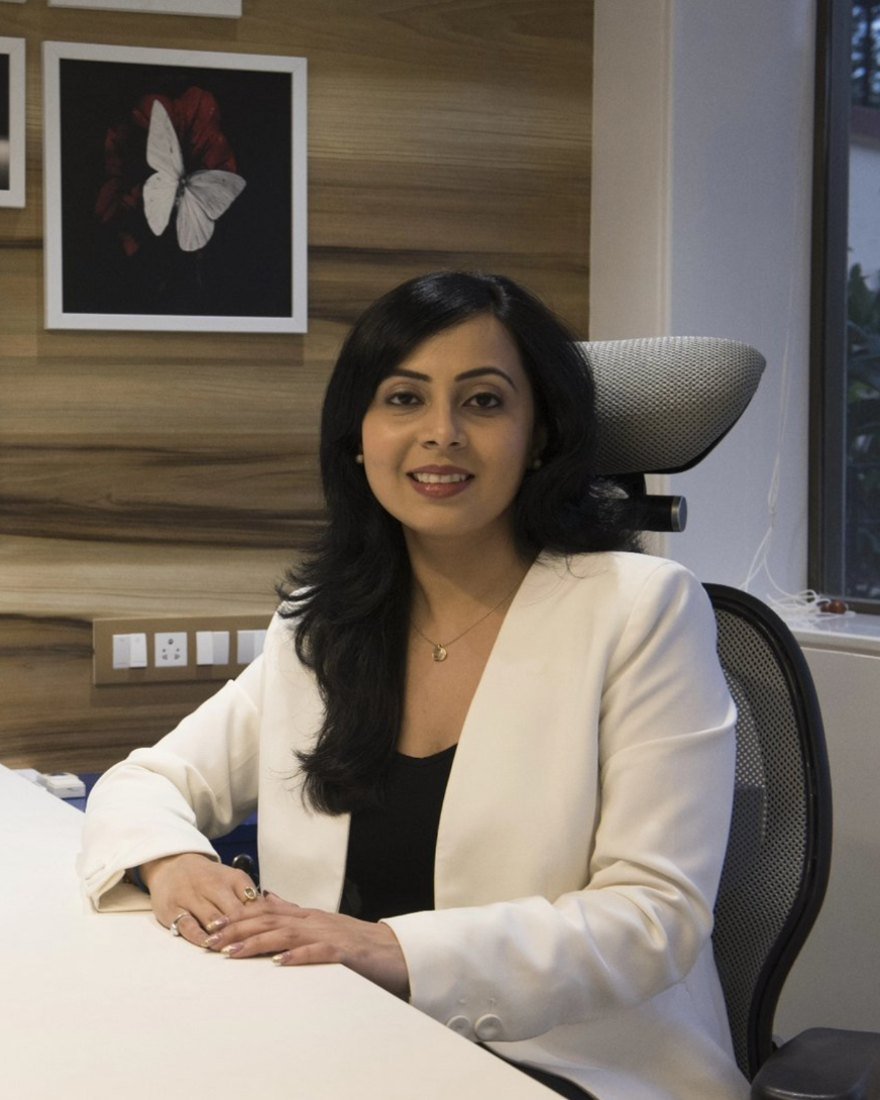
Written by
Dr Anagha KarkhanisGynaecologist and Fertility Specialist · Reg. No. 2006/02/1187Leads midlife women's health at Cocoon × Dr Tvacha, Thane.
Sources
- Early menopause: NHS
- Premature ovarian insufficiency: British Menopause Society tools for clinicians
- Menopause: diagnosis and management, NICE NG23 recommendations
- Clinical Practice Guidelines on Postmenopausal Osteoporosis: Indian Menopause Society, Journal of Mid-Life Health
This article is for general education and does not replace a consultation. Medicines and treatments are prescribed only after a doctor's assessment. Last reviewed 25 October 2026.